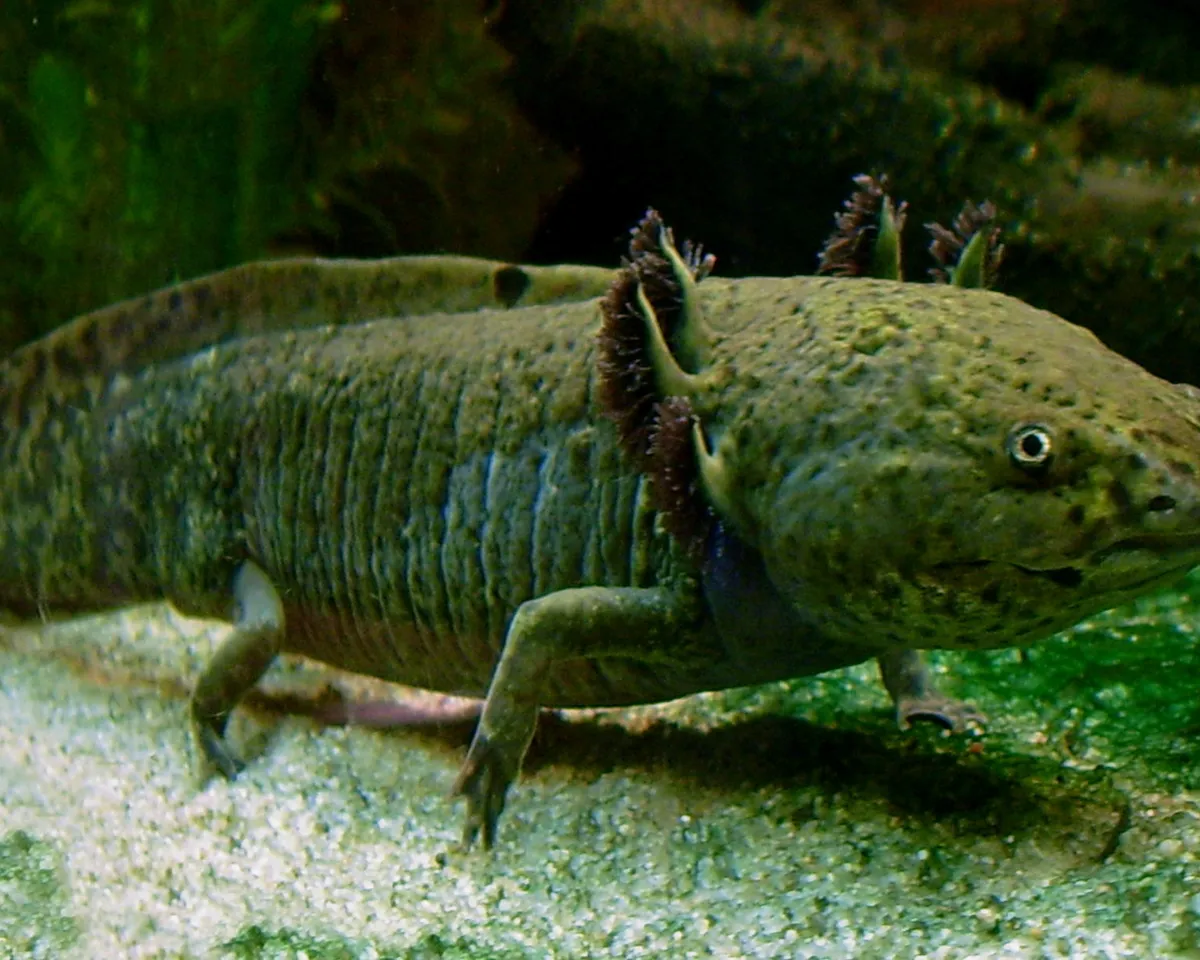
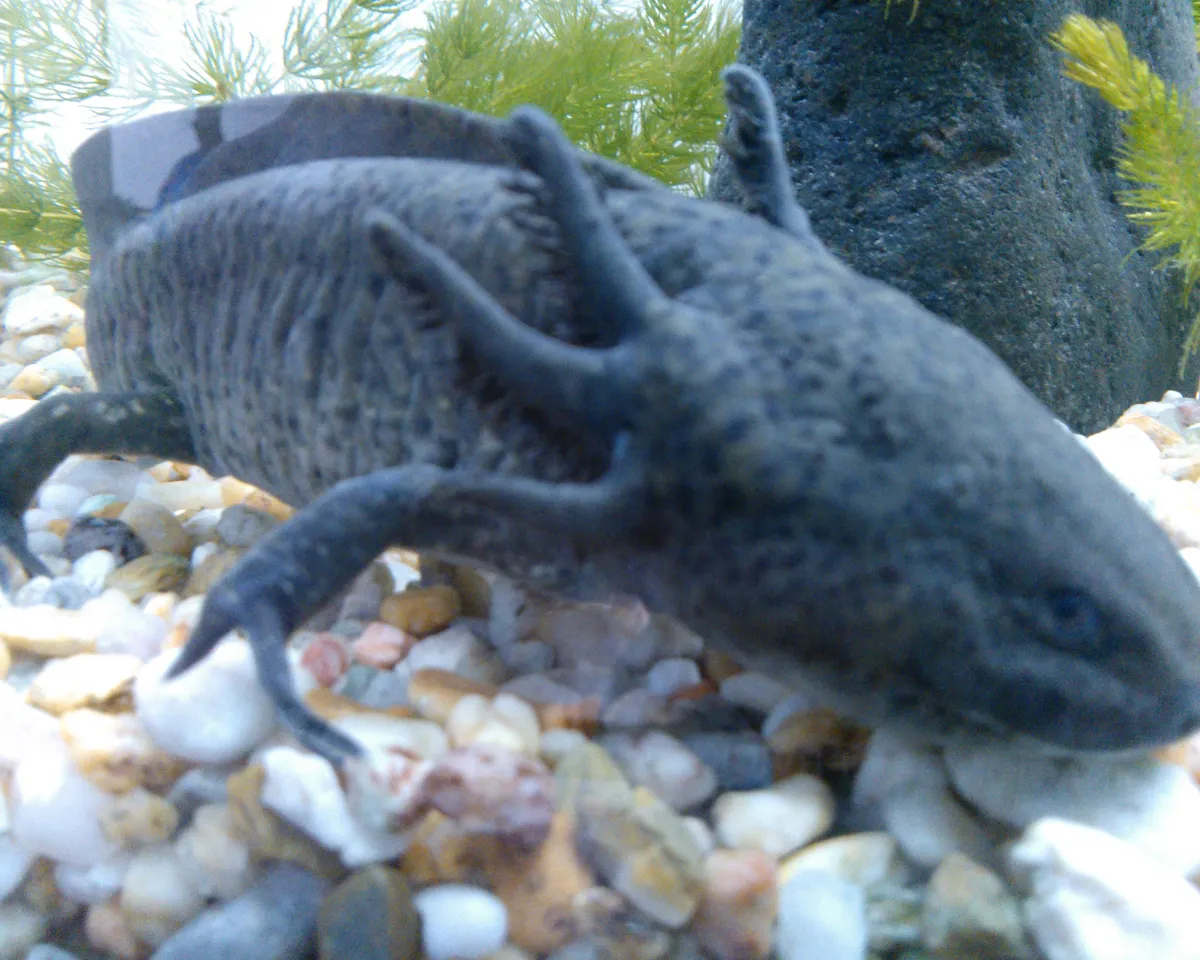
Ten color variations within one species. Axolotls (Ambystoma mexicanum) come in distinct morphs — also called colors, types, or varieties depending on the source. Each morph is genetically identical underneath but expresses different pigment cells. Care requirements don't change between morphs.
Below is the complete axolotl colors chart: leucistic (the iconic pink one), wild type, melanoid (solid black), albino white, albino golden, copper, GFP (glow-in-the-dark), piebald, mosaic, and chimera. Click any morph for detailed genetics, price range, and visual reference.
Side-by-side comparison of every axolotl morph. Common pet-trade names, body color, eye color, rarity, and typical price range. Useful for picking a first axolotl or identifying one you already have.
The pet axolotl world recognizes ten distinct color morphs, also commonly called colors, types, or varieties. UK keepers often spell it "colours." Regardless of the term, the underlying biology is the same: small genetic variations in pigment-producing cells produce dramatically different external appearances on the same species.
The ten common axolotl morphs are: leucistic, wild type, melanoid, albino (white), albino (golden), copper, GFP, piebald, mosaic, and chimera. Of those, four are common in the pet trade (leucistic, wild type, melanoid, albino white). The remaining six are increasingly rare, with chimera being so rare it can't even be bred reliably — it occurs randomly during embryonic development.
The genetics behind axolotl morphs
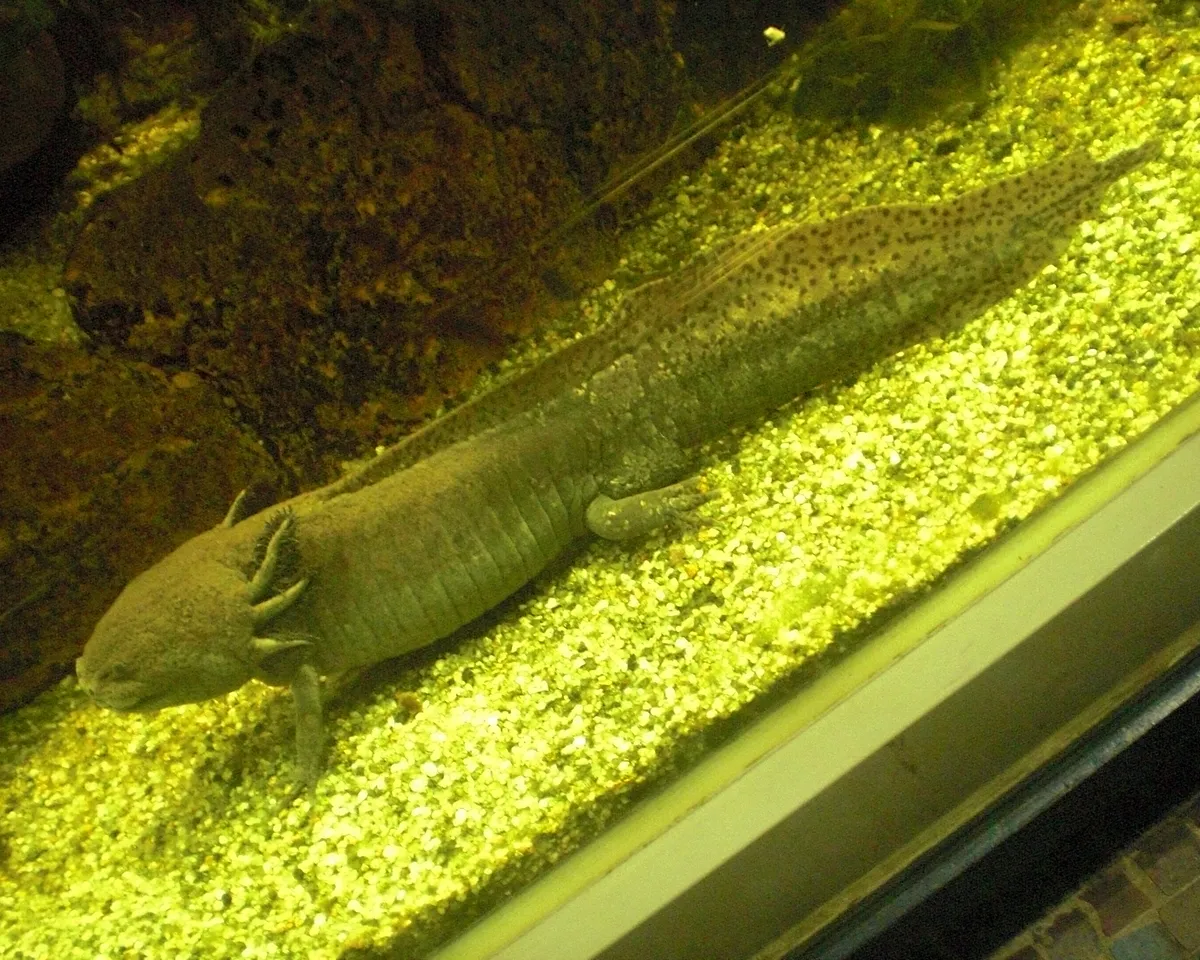
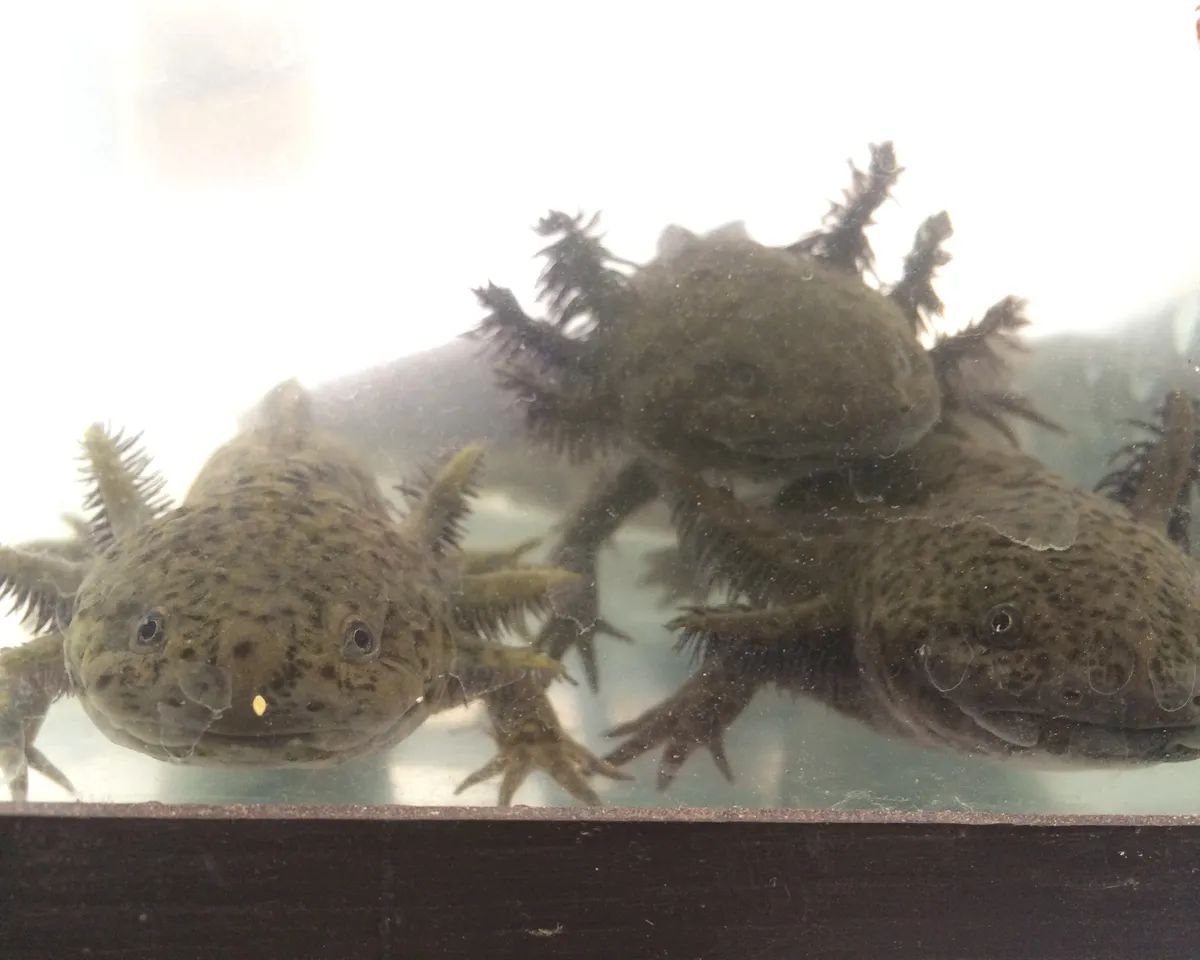
Three pigment cell types create normal axolotl coloration: melanophores (black), xanthophores (yellow), and iridophores (silver/reflective). Recessive mutations affecting one or more of these cell types produce the different morphs.
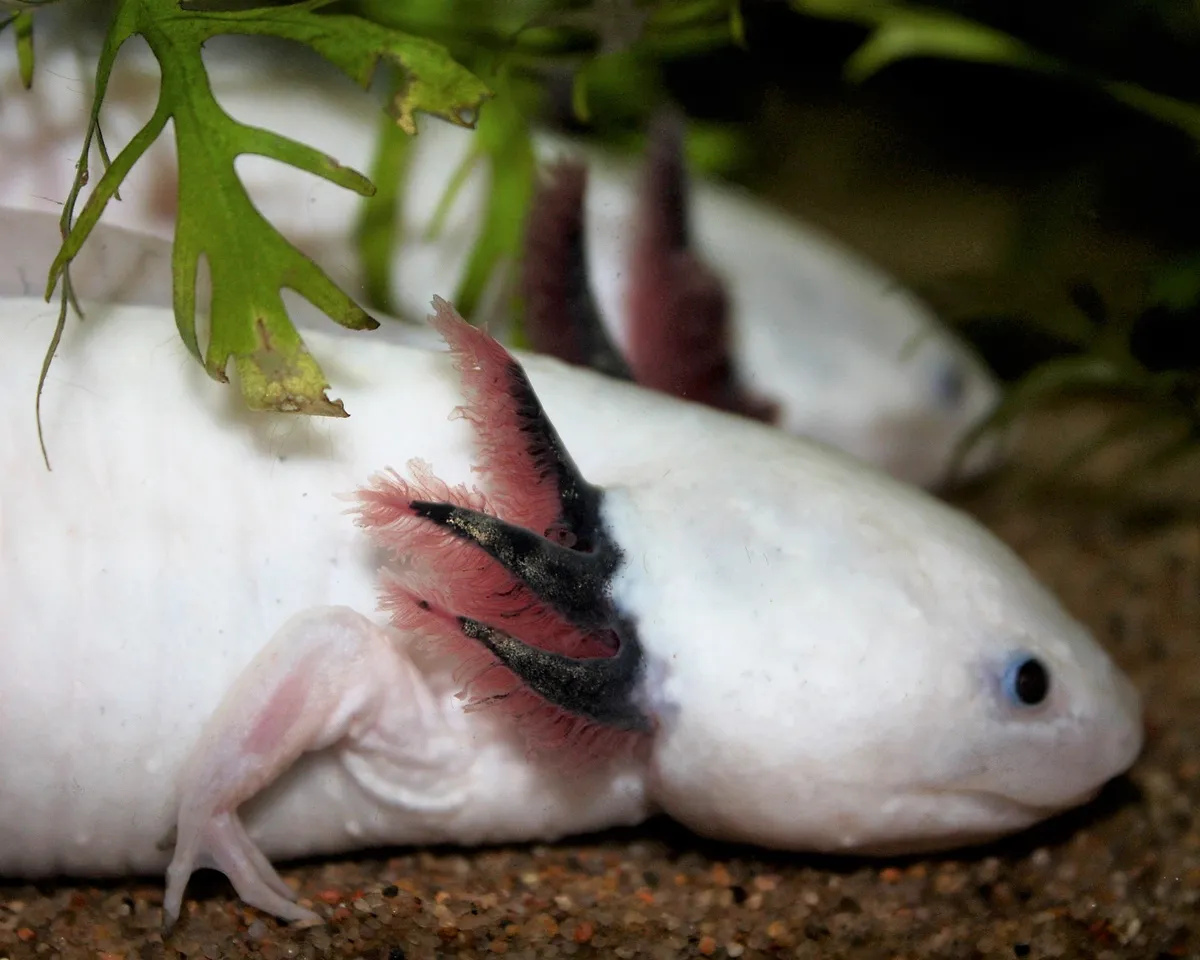
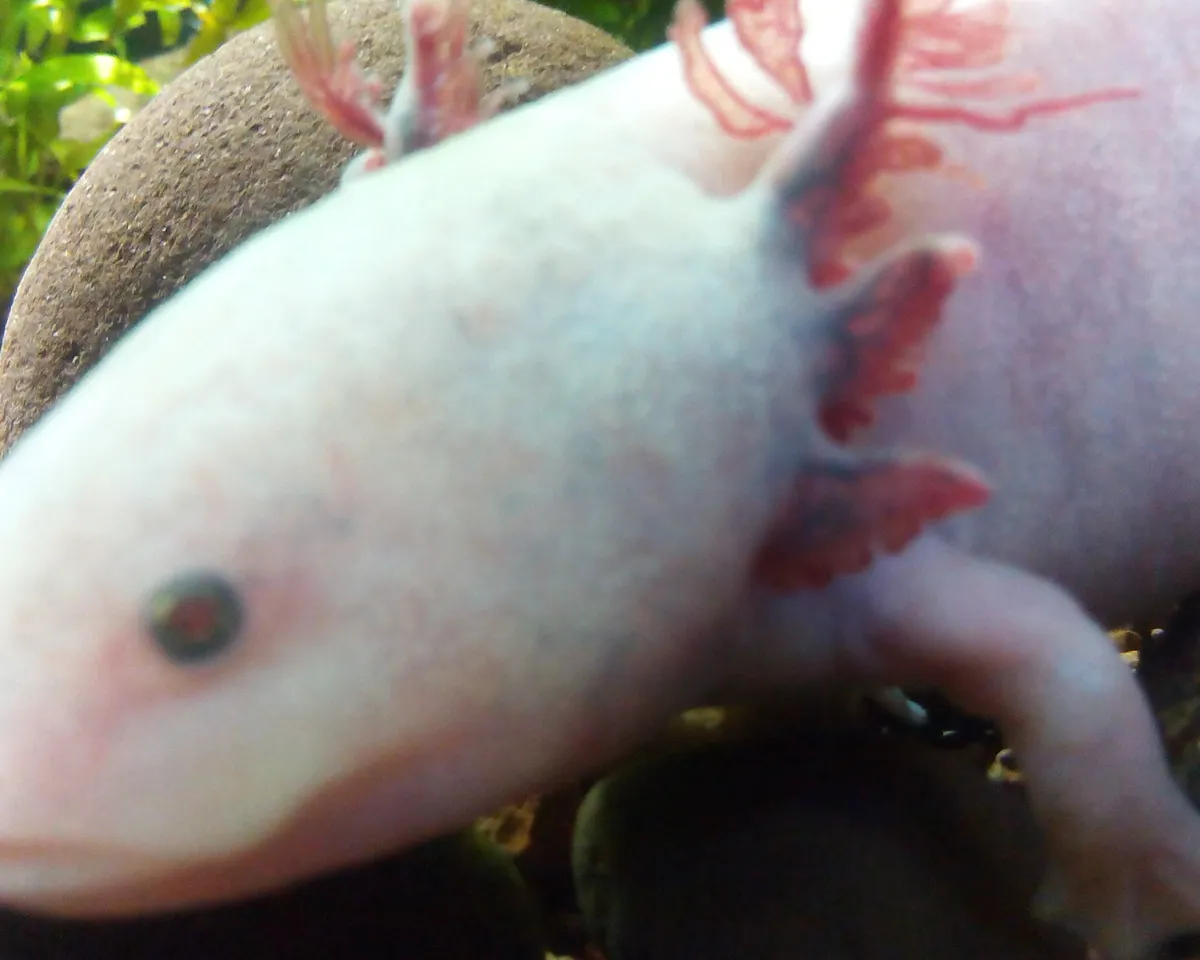
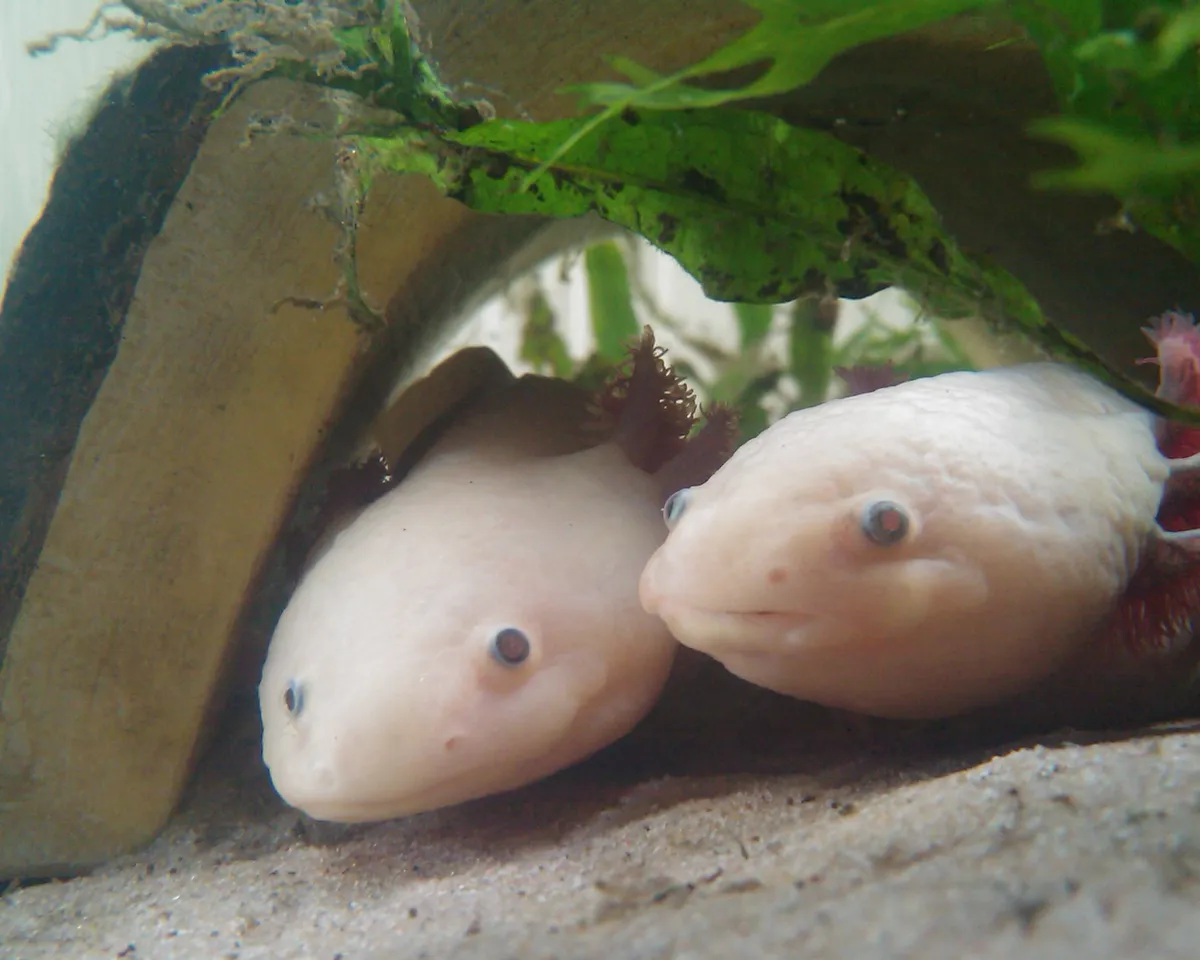
Leucistic lacks melanophores almost entirely, producing the iconic white body with pink gills.
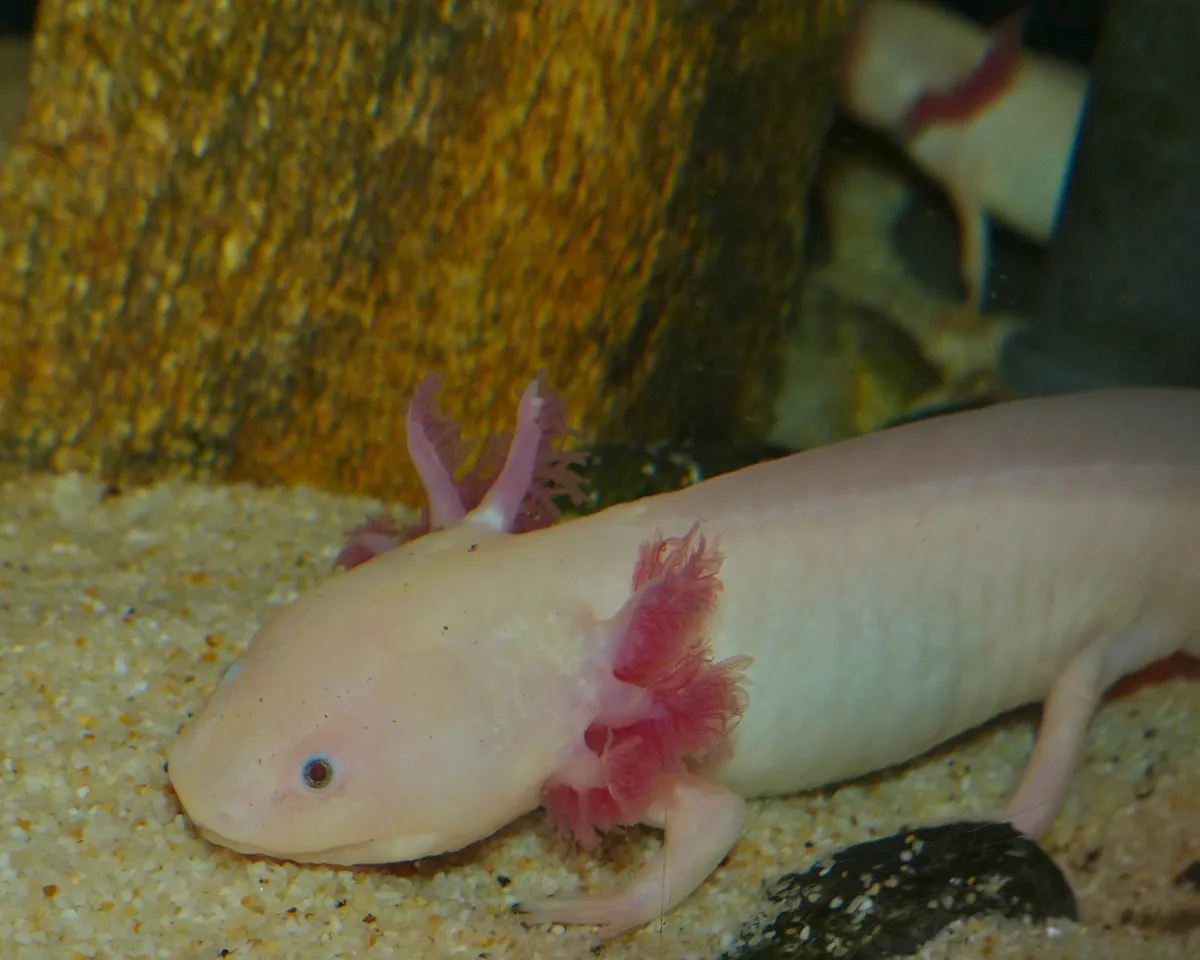
Albino lacks melanin in both skin and eyes, hence the red or pink eyes.
Melanoid has only melanophores and lacks the other two pigment types, producing the solid black appearance.
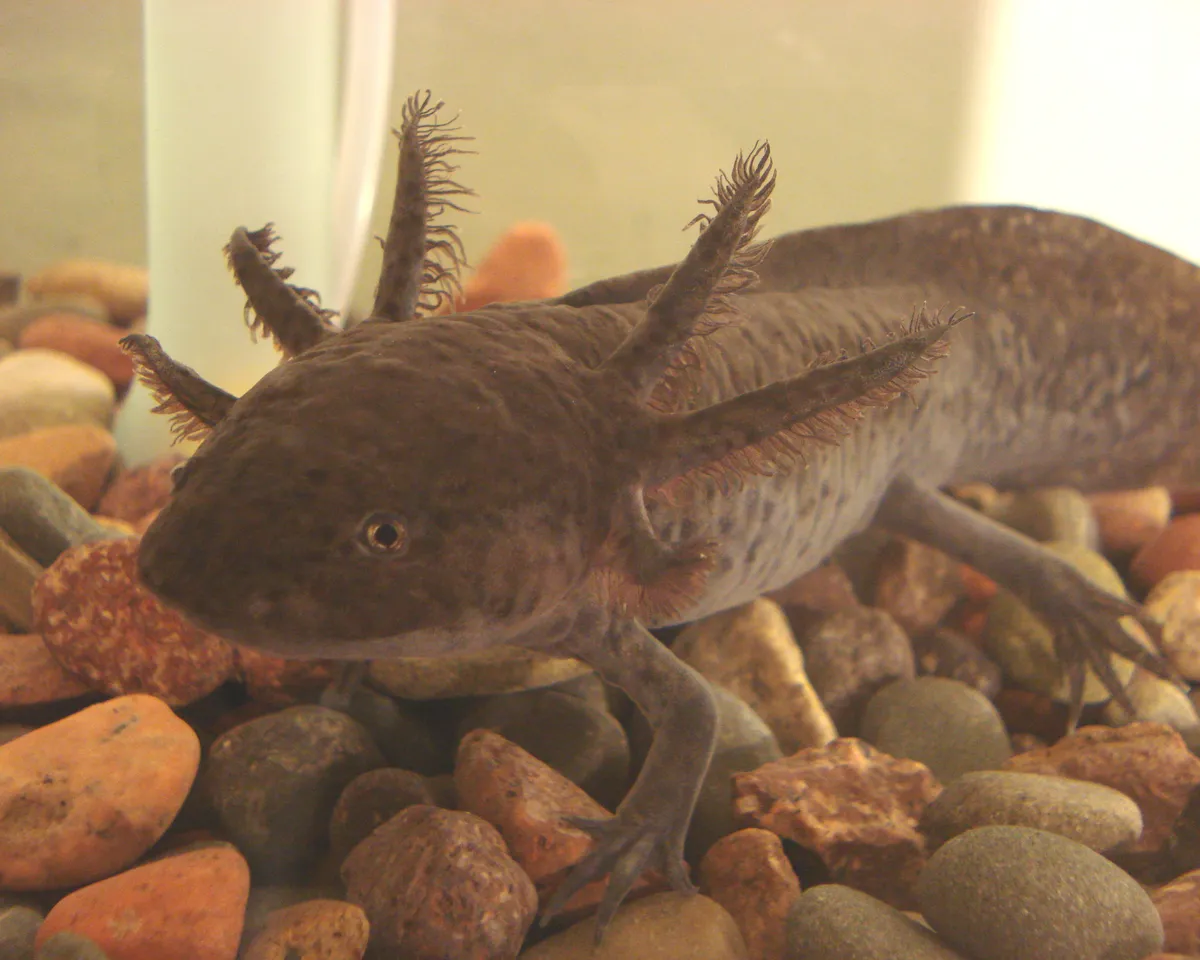
Copper is a melanophore mutation that produces light brown tones.
GFP (green fluorescent protein) is the only morph that didn't arise naturally — it was engineered into laboratory bloodlines using a jellyfish gene in the early 2000s.
What are the different types of axolotls?
"Types" and "varieties" are everyday terms for the same thing as "morphs." If you've seen lists of "axolotl breeds" or "different kinds of axolotls," those terms are also referring to color morphs. There is only one species of axolotl (Ambystoma mexicanum), so technically there are no breeds — only color variations.
Does color affect care?
No. All axolotl morphs have identical care requirements: 20+ gallon long tank, 60-68°F water, weekly water changes, food two to three times per week for adults. The morph influences appearance only, not biology.
Some keepers claim albino axolotls (white albino and golden albino) are slightly more light-sensitive due to lack of eye pigment, but the difference in care is minor and usually amounts to "keep the tank in a dim corner," which is good practice for all morphs anyway.
Which axolotl color should I get?
For a first axolotl, the practical answer is whichever you can find from a reputable breeder. Leucistic and wild type are the easiest to find and the cheapest ($30-60), which keeps cost down while you learn axolotl care. Rare morphs (GFP, copper, piebald) cost more and aren't worth chasing as a beginner.
For visual references of each morph, click any tile above. For the full price breakdown by morph see the axolotl price guide. For where to buy any morph, the where to buy an axolotl guide covers reputable sources.
Frequently asked
How many axolotl morphs are there?
There are 10 commonly recognized axolotl morphs: leucistic, wild type, melanoid, albino (white and golden), copper, GFP, piebald, mosaic, lavender, and chimera. New morphs occasionally emerge from selective breeding.
What is the rarest axolotl color?
Chimera axolotls are the rarest, occurring randomly when two embryos fuse during development. Mosaic and high-contrast piebald axolotls are next rarest. Common morphs include leucistic (the pink ones), wild type, and melanoid.
What is the most popular axolotl color?
Leucistic — the white-bodied, pink-gilled axolotl — is the most popular and recognizable color morph. It's also the easiest to find from breeders, with prices starting around $30-50.
Are all axolotl colors the same species?
Yes. Every axolotl morph is the same species (Ambystoma mexicanum). The color differences come from mutations in pigment-producing cells. Care requirements are identical across morphs.
Do different axolotl morphs need different care?
No. Tank size, temperature (60-68°F), water parameters, food, and handling are identical across all morphs. Some keepers claim albinos are slightly more sensitive to bright light, but the care basics don't change.
What's the difference between axolotl morphs and varieties?
Morphs and varieties are the same thing — different terms for color and pigment variations within the species. 'Morph' is the technical term used by breeders; 'variety' and 'type' are everyday alternatives.
Newsletter
The weekly axolotl note.
One honest care note, one Amazon find, one beginner question answered. Sundays. No spam.