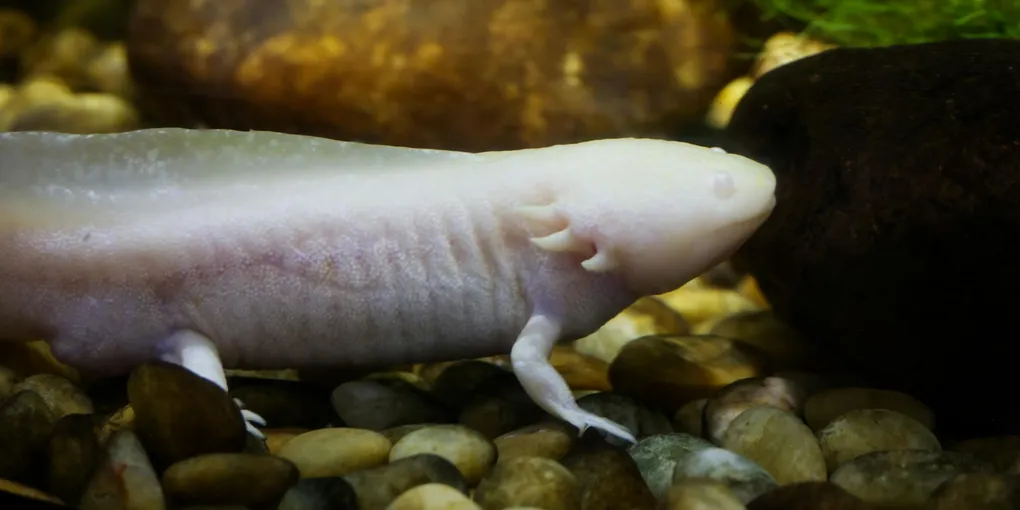
Axolotl Fungus (Saprolegnia): How to Recognize and Treat It
White cotton-like growth on axolotls is Saprolegnia fungus. Catch it early and salt baths cure it in 5-7 days. Here's the complete treatment protocol.
White cotton growing on your axolotl? That’s Saprolegnia fungus, and it needs treatment within days, not weeks. The good news: it’s the most common axolotl illness AND the most treatable. Salt baths cure most cases in a week. Here’s exactly what to do.
What Saprolegnia looks like
Fungus starts subtle and gets dramatic fast. The progression:
- Day 1-2: Faint white haze on gills or a spot on the body. Easy to miss.
- Day 3-5: Distinct white cotton-ball tufts. Impossible to miss.
- Day 6-10: Fuzz spreads, gills start eroding, axolotl becomes lethargic.
- Day 10+: Secondary infection, gill loss, systemic failure.
The classic look: white or gray fluff attached to a specific spot — a gill filament, a healing wound, the corner of the mouth, or a scrape from tankmates or decor. It looks exactly like cotton wool caught on the axolotl.
Look at your axolotl in bright light from above. Fungus catches the light in a way that clean skin doesn’t. If something looks fuzzy or reflective, investigate closer.
What causes it
Saprolegnia is opportunistic — it’s present in almost every aquarium at low levels, but only takes over when the axolotl’s immune system is compromised. The most common triggers:
- Warm water above 70°F — heat suppresses the axolotl immune system, giving the fungus an opening. Summer is peak fungus season.
- Poor water quality — ammonia and nitrite chemically burn the slime coat, letting fungus in.
- Wounds — bite marks from tankmates, scratches from decor, injuries from moving all become fungus entry points.
- Post-shipping stress — axolotls that arrive from shipping are prime fungus targets in the first 2 weeks.
- Substrate ingestion — small gravel scratches the mouth, and Saprolegnia colonizes the wound.
For most keepers, the trigger is warm water in summer. The single best fungus prevention is keeping the tank at 60-68°F year-round. See do axolotls need a heater for cooling options.
Treatment: salt baths (most cases)
The gold-standard first-line treatment. Works in 90%+ of cases.
What you need
- Aquarium salt (API brand or equivalent) — NOT table salt (has iodine)
- A clean 1-gallon container — Sterilite plastic works
- Dechlorinated water at tank temperature (65°F)
- A digital thermometer
- A soft aquarium net
The salt bath protocol
- Fill the container with 1 gallon of dechlorinated water at 65°F
- Add 1 teaspoon (5g) of aquarium salt and stir until dissolved
- Gently net the axolotl and place in the salt water
- Set a timer for 10-15 minutes
- Watch the axolotl closely — if it starts flipping or gasping badly, remove immediately
- After the bath, net the axolotl back into the main tank
- Discard the salt water — never save it, never reuse it
Repeat daily for 5-7 days. Most fungus visibly regresses within 2-3 baths and is fully gone by day 5-7.
For the exact aquarium salt product, see the shop page — API Aquarium Salt is the standard.
Severe cases: methylene blue tubbing
If salt baths aren’t working after 4-5 days, or the fungus is extensive (covering multiple areas), step up to methylene blue.
Methylene blue protocol
- Set up a permanent tub (Sterilite 15qt or larger) with dechlorinated water
- Add methylene blue (Kordon or similar) until water is deep blue — about 5 drops per gallon
- Move axolotl into the tub — leave there for the duration
- Change water daily — 100% fresh dechlorinated water + fresh methylene blue
- Continue for 5-10 days or until fungus is gone
- Return to main tank once fully clear
Methylene blue stains everything blue — the axolotl will turn slightly blue during treatment. This washes out within a week of returning to the main tank.
What NOT to do
Common well-meaning mistakes that make fungus worse:
- Don’t leave the axolotl in the salt-treated main tank. Salt in the main tank stresses beneficial bacteria and doesn’t help long-term. Baths only.
- Don’t use table salt or sea salt. Iodine and additives are toxic to axolotls.
- Don’t turn up the temperature. Warmer water helps FUNGUS grow, not helps the axolotl heal.
- Don’t scrub or pull the fungus off. You’ll damage the underlying tissue and make it worse.
- Don’t skip the daily bath. Once-every-few-days doesn’t work.
- Don’t use fish medications like ick treatments. Copper-based medications are highly toxic to axolotls.
When to see a vet
Salt baths and methylene blue handle 95% of Saprolegnia cases at home. See an exotic vet if:
- No improvement after 10 days of treatment
- Secondary bacterial infection (yellow/red patches, ulcers, ammonia smell)
- Axolotl stops eating for more than 5 days
- Fungus is systemic (spread over more than 50% of the body)
- Gills are visibly rotting or missing
For a healthy axolotl checkup baseline to compare against, see what a healthy axolotl looks like.
Preventing future outbreaks
Once you’ve treated fungus successfully, fix the underlying cause or it returns:
- Get the water temperature under 68°F — the #1 prevention factor. See water parameters cheat sheet.
- Fix water quality — test ammonia and nitrite, they should be at 0 ppm.
- Remove tankmates — bites cause wounds that fungus colonizes.
- Switch from gravel to fine sand or bare bottom — reduces mouth abrasions.
- Reduce handling stress — less handling = better immune function.
- Feed a varied diet — nutrition supports the slime coat.
For the ongoing care routine that prevents fungus outbreaks, see complete axolotl care guide.
Realistic timeline for recovery
With correct treatment, expect:
- Day 1-2: Fungus visibly darker/wet-looking (salt is killing it)
- Day 3-4: Cotton texture flakes off, underlying tissue exposed
- Day 5-7: New skin/gill tissue regrowing
- Day 10-14: Full recovery, no visible signs
- Day 14-30: Slime coat fully rebuilds
Axolotls have exceptional regeneration — even significant fungus damage heals completely once the infection is cleared. See axolotl regeneration for the biology behind it.
Bottom line
White cotton on axolotls = Saprolegnia = salt baths for 5-7 days. Catch it early and cure rate is 90%+. Fix the underlying temperature/water quality problem or it comes back.
If you’re new to axolotl keeping and want to prevent this from ever happening, the start here walkthrough covers the setup that produces fungus-free axolotls for years.
Newsletter
The weekly axolotl note.
One honest care note, one Amazon find, one beginner question answered. Sundays. No spam.
Disclosure: The Axolotl Guide is a participant in the Amazon Services LLC Associates Program, an affiliate advertising program designed to provide a means for sites to earn advertising fees by advertising and linking to Amazon.com. As an Amazon Associate we earn from qualifying purchases, at no extra cost to you.
More Health & Behavior Guides
Are Axolotls Nocturnal? (What They Actually Do at Night)
Axolotls are crepuscular, not strictly nocturnal. They're most active at dawn and dusk, active at night, and rest during the day. Here's the full activity pattern.
Do Axolotls Bite? (Yes, And Here's What That Means For You)
Axolotls bite anything that looks like food, including your fingers. The good news: axolotl bites are harmless to humans. The bad news: their bites cause real damage to other axolotls.
How Big Do Axolotls Get? (Size Chart by Age)
Adult axolotls reach 9-12 inches on average, with exceptional individuals hitting 14-18 inches. Here's the full growth chart by age, what affects size, and the size most pet axolotls actually reach.