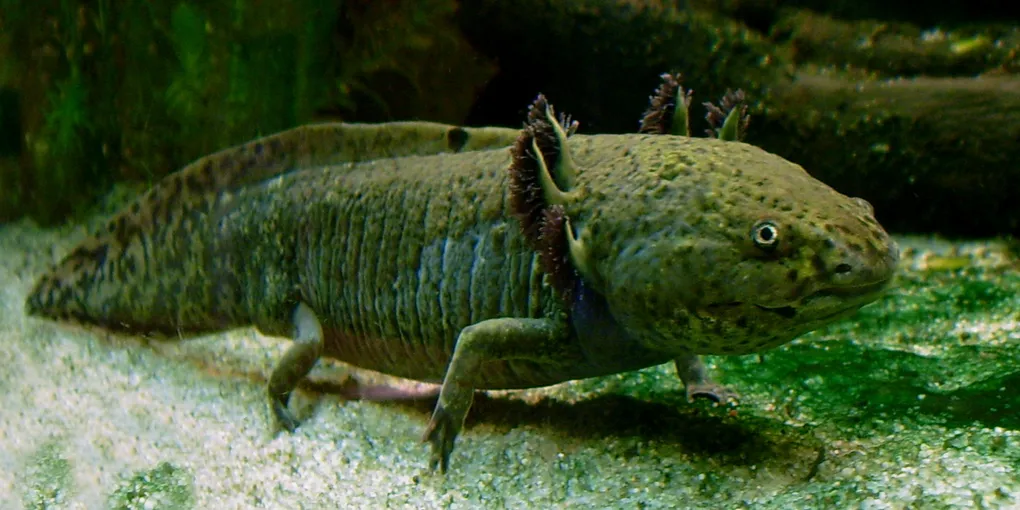
How Big Do Axolotls Get? (Size Chart by Age)
Adult axolotls reach 9-12 inches on average, with exceptional individuals hitting 14-18 inches. Here's the full growth chart by age, what affects size, and the size most pet axolotls actually reach.
Adult axolotls reach 9-12 inches (23-30 cm) on average from snout to tail tip. Exceptional individuals raised in large tanks with optimal feeding hit 14-18 inches. But the typical pet-store axolotl tops out around 8-10 inches because of slightly cramped tanks and conservative feeding schedules.
Here’s the full size chart by age, what affects how big your axolotl gets, and why size shouldn’t be your main goal anyway.
Axolotl Size Chart by Age
| Age | Typical size (snout to tail tip) | Notes |
|---|---|---|
| Hatchling (Day 1-30) | 0.5-1 inch | Translucent, gills tiny |
| Juvenile (1-3 months) | 1-3 inches | Fast growth, daily feeding |
| Juvenile (3-6 months) | 3-5 inches | Color and pattern emerging |
| Sub-adult (6-12 months) | 5-8 inches | Sexual maturity around 12 months |
| Adult (12-24 months) | 8-10 inches | Growth slowing |
| Adult (2-5 years) | 9-12 inches | Effectively full size |
| Adult (5+ years) | 10-13 inches | Slow incremental growth possible |
Growth rates vary individual to individual by up to 50%. Two siblings raised in identical conditions can differ by 2-3 inches as adults.
What Determines Adult Size
Five factors, in order of impact:
1. Feeding consistency during juvenile months (biggest)
Months 1-6 are the growth window. An axolotl fed daily during this window will reach a larger adult size than one fed every other day. Underfeeding during these months permanently caps adult size.
The reverse is also true: overfeeding in adulthood causes obesity, not extra growth. Once growth slows around month 12-18, you can’t push more size with more food. You’ll just get a fat axolotl.
See the feeding schedule guide for age-appropriate feeding amounts.
2. Tank size
Cramped axolotls grow smaller. This is well-documented in many fish and amphibian species — they perceive tank size and adjust growth accordingly.
| Tank size | Likely adult size |
|---|---|
| 10 gallon | 7-8 inches max |
| 20 gallon long | 9-10 inches |
| 40 gallon breeder | 10-12 inches |
| 55+ gallon | 11-13 inches potential |
For most keepers, a 20 gallon long is the practical minimum and produces a healthy adult-sized axolotl. The tank setup guide covers why long footprint matters more than total gallons.
3. Water temperature
Cold water (60-65°F) slows metabolism, which slows growth, but extends lifespan. Warmer water (68-72°F) speeds growth but shortens lifespan. There’s no free lunch — you can grow a big axolotl fast or you can have a long-lived axolotl, but you can’t easily do both.
Most keepers prioritize lifespan, accept slightly slower growth, and end up with 9-11 inch adults that live 12-15 years.
4. Genetics and bloodline
Lab strains (Ambystoma Genetic Stock Center) tend to be on the larger side because they’re bred for research consistency. Pet trade lines vary wildly — some breeders selectively pair larger parents and produce 12-inch adults, others don’t filter and produce smaller offspring.
The morph (leucistic, melanoid, GFP, etc.) does NOT predict size meaningfully. Size variance within a morph exceeds variance between morphs.
5. Sex
Females are usually 1-2 inches longer and noticeably bulkier (the abdomen is wider). Males are leaner with proportionally longer tails. The body of a male is dedicated to swimming for breeding; the body of a female is dedicated to egg production.
Measuring Your Axolotl
Don’t try to measure with a ruler against the glass — you’ll overestimate due to refraction. Two reliable methods:
Method 1: Net measurement
- Net the axolotl into a clear shallow container with water
- Place a ruler under or next to the container
- Photograph from directly above
- Measure on the photo
Method 2: Estimate by body part
- Head length × 4.5 = approximate total length
- Width at the widest body point × 6 = approximate total length
Adult axolotls hate being out of water, so net-measure rarely. Once every 6-12 months is plenty.
What Size Means for Tank Setup
Adult axolotl size dictates minimum tank size:
| Adult size | Minimum tank | Recommended tank |
|---|---|---|
| Under 8 inches | 20 gallon long | 29 gallon |
| 8-10 inches | 20 gallon long | 40 gallon breeder |
| 10-12 inches | 40 gallon breeder | 55-75 gallon |
| 12+ inches | 55 gallon | 75+ gallon |
The 20 gallon long is the absolute minimum. The 40 gallon breeder is the realistic adult tank for most pet axolotls. Above 12 inches you’re into custom large-tank territory.
For per-tank-size recommendations, see the right tank size for an axolotl.
How Fast Do Axolotls Grow?
Growth happens in three phases:
Phase 1: Explosive juvenile growth (months 0-6)
0.5 inch hatchling → 5 inches sub-adult. That’s a 10x increase in 6 months. Daily feeding required. This is when most adult size is locked in.
Phase 2: Sexual maturation slowdown (months 6-18)
5 inches → 9 inches. Growth still happening but slowing. Sexual maturity typically reached around 12 months. Some hormones redirect energy from growth to reproduction.
Phase 3: Adult maintenance (months 18+)
Growth slows to inch-per-year-at-best. Some axolotls in optimal conditions continue gaining size into year 3-4, but most are essentially full-grown by 24 months.
”My Axolotl Is Smaller Than It Should Be”
If your axolotl is significantly smaller than the age chart suggests, check these in order:
- Are you underfeeding? Juveniles under 6 months need DAILY feeding. Cutting feedings during this window stunts adult size.
- Is the tank cramped? A 6-month-old in a 10-gallon will reach a smaller adult size than the same axolotl in a 30-gallon.
- Is the water too cold? Below 60°F slows growth significantly. Aim for 62-65°F for healthy growth + good lifespan.
- Are water parameters stable? Chronic low-grade ammonia or nitrite slows growth via constant stress.
- Is the genetics line small? Some lines just produce smaller adults. If parents were 8 inches, the offspring will likely top out at 8-9 inches.
For exact water targets see the water parameters cheat sheet.
”My Axolotl Is HUGE — Is It Normal?”
If your axolotl is well above the chart for its age, congrats — you’re either feeding well, have great genetics, or both. As long as the axolotl isn’t visibly obese (belly bulging past the legs), big is good.
Signs of unhealthy size:
- Belly noticeably wider than the head (overfed)
- Difficulty swimming up to the surface
- Visible fat rolls around the legs
- Refusing food despite no other symptoms
If you see these, cut feeding by 30-50% and watch belly size over 2-3 weeks. The floating guide covers what can go wrong with overfeeding.
Wild vs. Captive Size
Wild axolotls in Lake Xochimilco average 8-10 inches. Captive axolotls in good conditions average 9-12 inches. The captive size advantage comes from:
- Consistent food (no famine periods)
- Stable temperature
- No energy spent on predator avoidance
- No parasite burden
- No injuries from territorial fights
A captive 12-inch axolotl is genuinely a much bigger, healthier animal than its wild counterpart of the same age.
The Bottom Line
A typical pet axolotl reaches 9-11 inches as an adult, hits effectively full size around 2 years, and continues with tiny incremental growth into year 3-4. Going larger than 12 inches requires a big tank, generous feeding during juvenile months, and a bit of genetic luck.
But size isn’t the goal. A healthy 10-inch axolotl living 15 years is a better outcome than a fast-grown 13-inch axolotl that dies at 6 from chronic overfeeding. Focus on water quality and consistent care. Let the size happen on its own.
For the full care setup, the start here walkthrough is the place to begin. And the shop page has the tank sizes and gear that produce healthy adult axolotls.
Newsletter
The weekly axolotl note.
One honest care note, one Amazon find, one beginner question answered. Sundays. No spam.
Disclosure: The Axolotl Guide is a participant in the Amazon Services LLC Associates Program, an affiliate advertising program designed to provide a means for sites to earn advertising fees by advertising and linking to Amazon.com. As an Amazon Associate we earn from qualifying purchases, at no extra cost to you.
More Health & Behavior Guides
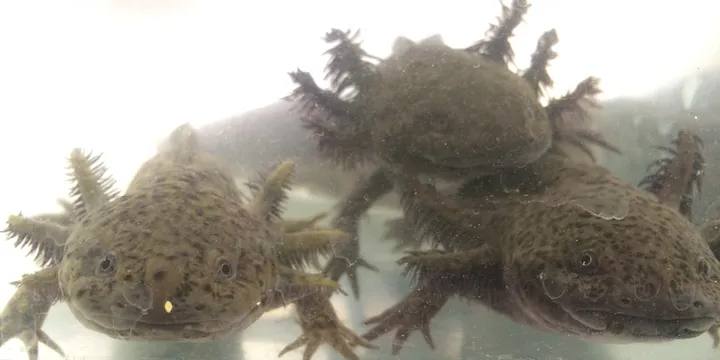
Are Axolotls Nocturnal? (What They Actually Do at Night)
Axolotls are crepuscular, not strictly nocturnal. They're most active at dawn and dusk, active at night, and rest during the day. Here's the full activity pattern.
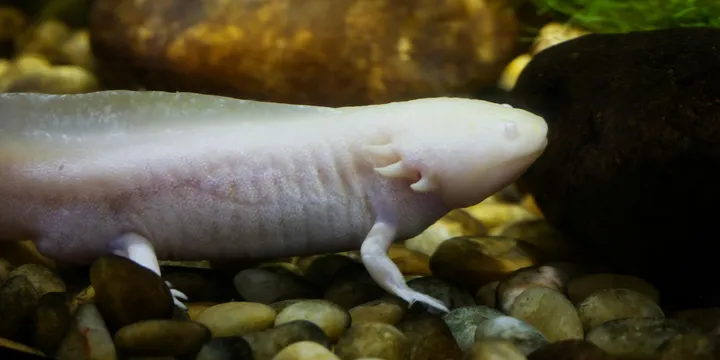
Axolotl Fungus (Saprolegnia): How to Recognize and Treat It
White cotton-like growth on axolotls is Saprolegnia fungus. Catch it early and salt baths cure it in 5-7 days. Here's the complete treatment protocol.
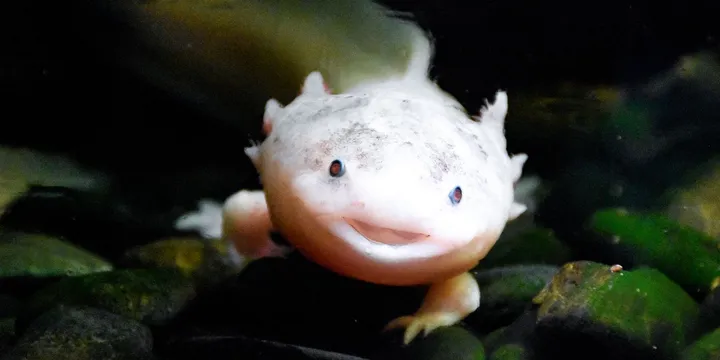
Do Axolotls Bite? (Yes, And Here's What That Means For You)
Axolotls bite anything that looks like food, including your fingers. The good news: axolotl bites are harmless to humans. The bad news: their bites cause real damage to other axolotls.