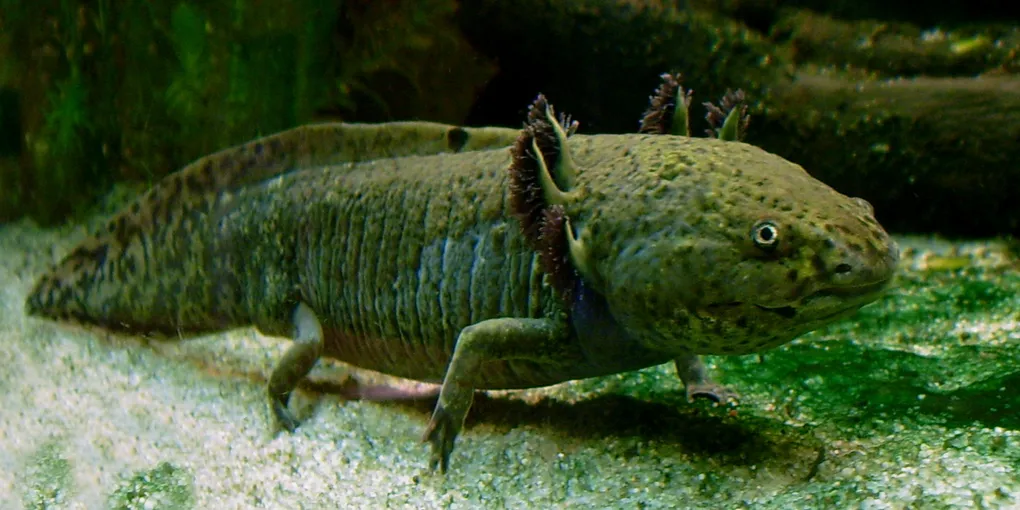
How Long Do Axolotls Live? (Wild vs. Captive Lifespan)
Captive axolotls live 10-15 years on average. Wild axolotls live 5-6 years. Here's what affects lifespan, and the keeper choices that cut it short.
The short answer: a well-cared-for captive axolotl lives 10 to 15 years, with exceptional individuals reaching 18-20. Wild axolotls only live 5-6 years because of predation, parasites, and the deteriorating quality of Lake Xochimilco. The 2x to 3x lifespan jump in captivity is one of the strongest arguments for ethical captive breeding of this critically endangered species.
But that lifespan is conditional. Most axolotls in captivity die in the first 12 months from preventable mistakes. Here’s what determines whether your axolotl lives 2 years or 18.
Captive Lifespan by Care Quality
| Care quality | Typical lifespan |
|---|---|
| Excellent (cycled tank, 62-65F, weekly water changes, varied diet, no impaction risks) | 15-20 years |
| Good (cycled tank, 65-70F, regular maintenance) | 10-15 years |
| Average (occasional water issues, mild temp swings) | 5-10 years |
| Poor (uncycled tank, gravel substrate, warm water) | Under 12 months |
The depressing reality: most pet-store axolotls bought by unprepared new keepers die within their first year. Not because axolotls are fragile, but because the setup mistakes are severe and immediate.
What Actually Kills Axolotls (Ranked by Frequency)
1. Ammonia poisoning from an uncycled tank
By a wide margin, the most common cause of premature axolotl death. New keepers buy the axolotl before the tank cycle completes. The axolotl spends 4-6 weeks marinating in toxic ammonia, gills burn chemically, the immune system collapses, fungal infections finish the job.
Prevention: complete the full nitrogen cycle (4-6 weeks) BEFORE buying the axolotl. See our complete tank setup guide for the timeline.
2. Heat stress
Anything above 72°F is chronic stress. Above 75°F is acute danger. Above 78°F, expect death within days. Summer is when most heat-related deaths happen.
Prevention: keep the tank in a cool room, use a fan across the surface, get an aquarium chiller for hot climates. The water parameters cheat sheet covers the exact thresholds.
3. Impaction from gravel substrate
Axolotls inhale food and substrate together. Gravel and pebbles cause fatal blockage. Many keepers don’t realize this until necropsy.
Prevention: bare bottom or fine aquarium sand (under 1mm grain size) only. Never gravel, never decorative stones smaller than the axolotl’s head.
4. Tankmate damage
Fish nip gills. Crayfish and crabs amputate limbs. Even other axolotls bite each other. Most “mystery deaths” with tankmates trace back to chronic injury and stress.
Prevention: one axolotl, one tank, no tankmates. See the tankmate compatibility guide for what’s actually safe.
5. Slow water decline
Nitrate creeping up to 60-80 ppm over months. pH drifting outside the safe range. Hardness collapsing. None of these are dramatic but all shorten life by years.
Prevention: weekly 20-25% water changes, monthly testing of GH/KH, replace test kits before they expire.
What Extends Lifespan
Beyond avoiding the killers, these choices push your axolotl toward the 15-20 year tail of the distribution:
Cool, stable temperature (62-65°F)
The sweet spot. Cold enough to keep metabolism slow (which is how axolotls evolved), warm enough to avoid cold stress. Every degree above 65°F shortens lifespan slightly. By 70°F you’re losing years cumulatively.
Varied diet
A diet of only pellets works but doesn’t optimize. Adding earthworms, blackworms, and occasional bloodworms provides nutritional variety. Best results: pellets as the staple, whole earthworms 2-3 times per week, blackworms or bloodworms as occasional treats. See the food safety database for what’s safe.
Low stress environment
Bright lights, frequent handling, loud rooms, tapping the glass — all chronic stressors that suppress the immune system over years. Place the tank somewhere quiet, dim the lighting, and let the axolotl exist without disturbance.
Adequate tank size
A cramped axolotl in a 10-gallon tank lives shorter than the same axolotl in a 40-gallon breeder. More water = more stable parameters = less cumulative stress.
No breeding pressure
Breeding ages females faster (egg production is metabolically expensive). Skip the breeding if you want maximum lifespan.
Wild vs. Captive Lifespan
Wild axolotls in Lake Xochimilco live only 5-6 years on average. The wild population is critically endangered with an estimated fewer than 1,000 individuals remaining in the wild as of 2024 surveys.
Why wild axolotls die younger:
- Predation: Introduced tilapia and carp eat juvenile axolotls
- Water pollution: Agricultural runoff, sewage, and pesticides
- Habitat loss: Lake Xochimilco’s canals are shrinking
- Disease: Chytrid fungus and other amphibian pathogens
- Parasites: Wild axolotls carry significant parasite loads
Captive axolotls avoid all five. Combined with cleaner water, stable temperatures, and consistent food, captive axolotls roughly double or triple their wild expectancy.
Lifespan by Morph
There’s no scientifically documented lifespan difference between morphs (leucistic, melanoid, GFP, copper, etc.). All morphs share the same underlying biology and respond identically to good or bad care.
Some breeders claim albino morphs are slightly more fragile, but the evidence is anecdotal and likely confounded by breeder choices (albinos are often line-bred more heavily, which can amplify weaknesses).
For visual differences between morphs, see the morph gallery.
Aging Signs in Axolotls
Axolotls don’t show their age dramatically. Subtle signs of an aging axolotl (12+ years):
- Slower movement, less exploration
- Reduced appetite (eats less, less often)
- Slight cloudiness in eye lenses
- Gill filaments may thin slightly
- Spinal curvature can appear in very old individuals (15+ years)
- Color sometimes fades slightly in patterned morphs
These are normal. A 15-year-old axolotl moving less than a 2-year-old isn’t sick, it’s old.
The Two-Year Mark
If your axolotl reaches age 2 in good condition, you’ve crossed the highest-risk window. Most preventable mistakes (uncycled tank, heat stress, impaction, poor diet) show their consequences within the first 18 months.
After age 2, most axolotls in stable setups go on to reach 10+ years easily. The first two years are when keeper skill matters most.
What This Means for New Keepers
If you’re buying an axolotl, you’re committing to a pet that can live as long as a dog or cat. Plan accordingly:
- Tank setup costs (one time): $200-300 for the basics
- Annual costs: $100-150 for food, water conditioner, filter media, occasional supplies
- 15-year total cost of ownership: $1,800-2,500
That’s not expensive for the time horizon. But it requires consistency. An axolotl in a poorly maintained tank doesn’t die in week one — it dies slowly over months from accumulated stress. Setting up correctly the first time is the single biggest predictor of how long your axolotl will live.
For the rest of the new-keeper essentials, the start here walkthrough covers the setup timeline. The shop page has the gear list with one-tap Amazon checkout. And the water parameters guide is the cheat sheet you’ll come back to weekly.
The Bottom Line
Captive axolotls live 10-15 years with proper care. Excellent care pushes that to 18-20. The species can outlive your goldfish by a factor of ten, your hamster by a factor of fifteen, and your average rabbit by a factor of two.
But every single year of that lifespan depends on consistent water quality, cool temperatures, and avoiding the handful of preventable mistakes that kill most pet axolotls before age 2.
Get the setup right and you’ll be looking at the same axolotl in 2041.
Newsletter
The weekly axolotl note.
One honest care note, one Amazon find, one beginner question answered. Sundays. No spam.
Disclosure: The Axolotl Guide is a participant in the Amazon Services LLC Associates Program, an affiliate advertising program designed to provide a means for sites to earn advertising fees by advertising and linking to Amazon.com. As an Amazon Associate we earn from qualifying purchases, at no extra cost to you.
More Health & Behavior Guides
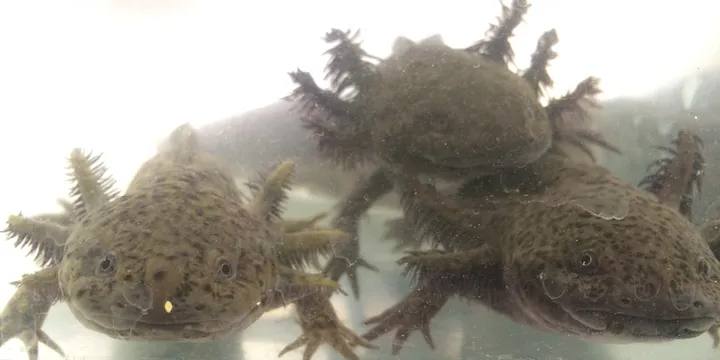
Are Axolotls Nocturnal? (What They Actually Do at Night)
Axolotls are crepuscular, not strictly nocturnal. They're most active at dawn and dusk, active at night, and rest during the day. Here's the full activity pattern.
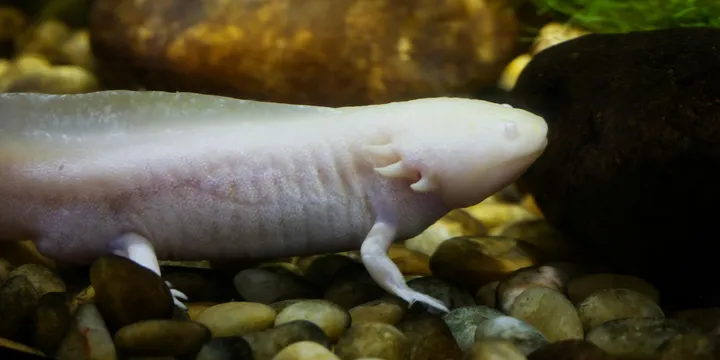
Axolotl Fungus (Saprolegnia): How to Recognize and Treat It
White cotton-like growth on axolotls is Saprolegnia fungus. Catch it early and salt baths cure it in 5-7 days. Here's the complete treatment protocol.
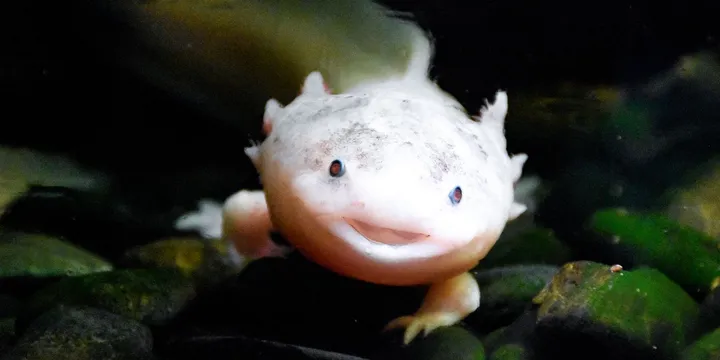
Do Axolotls Bite? (Yes, And Here's What That Means For You)
Axolotls bite anything that looks like food, including your fingers. The good news: axolotl bites are harmless to humans. The bad news: their bites cause real damage to other axolotls.