Pink, white, black, brown, golden, copper, green (yes — it glows), spotted, patched, and even split-color. Axolotls come in ten distinct color variations, all the same species. Here's the complete chart.
If you came searching "axolotl colours" — same page, just the UK spelling. Whether you call them colors, colours, morphs, types, or varieties, you'll find every one of them below.
Different sources use different terms. "Colors" and "colours" mean the same thing. "Morphs" is the breeder term. "Types" and "varieties" are everyday alternatives. Below is what each axolotl color looks like and how rare it is.
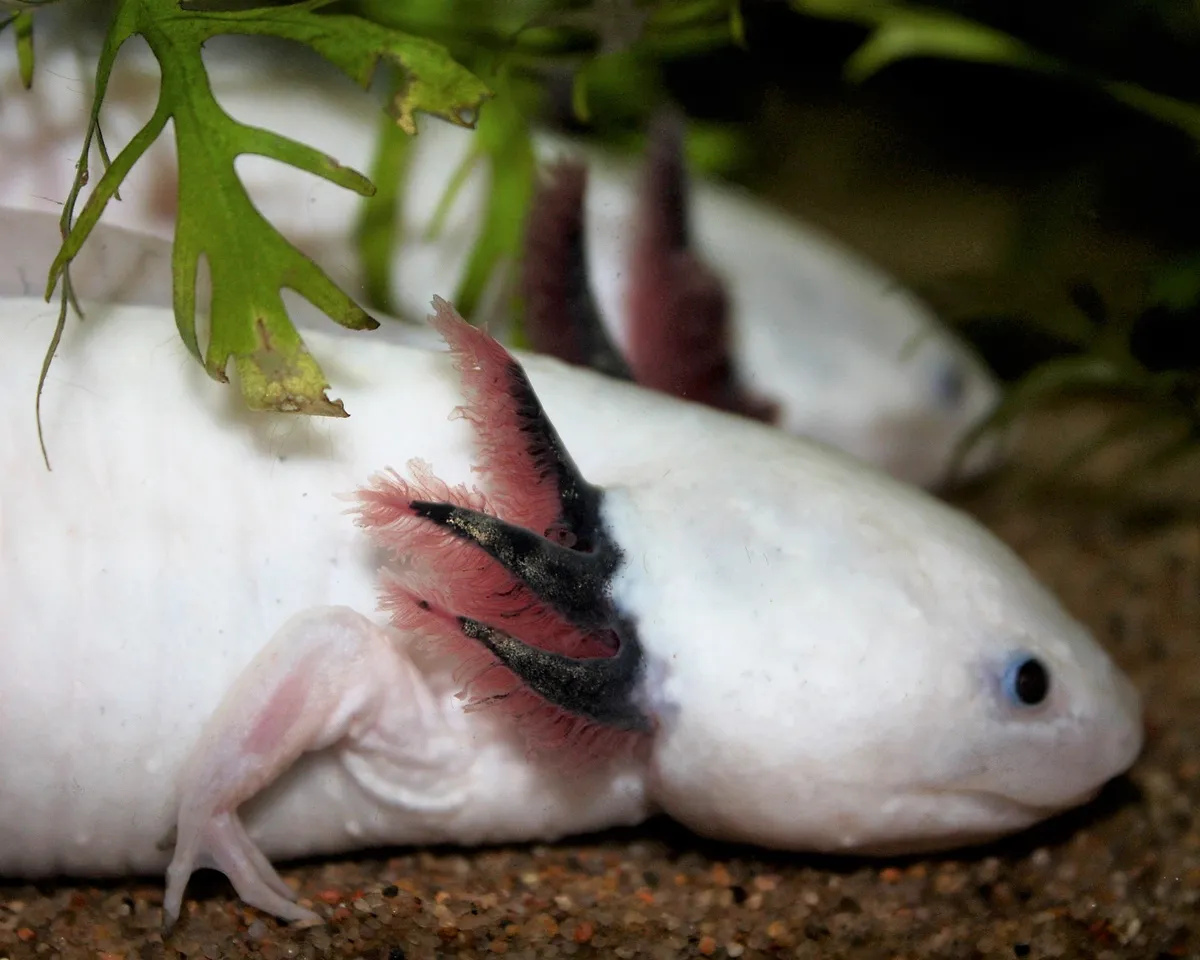
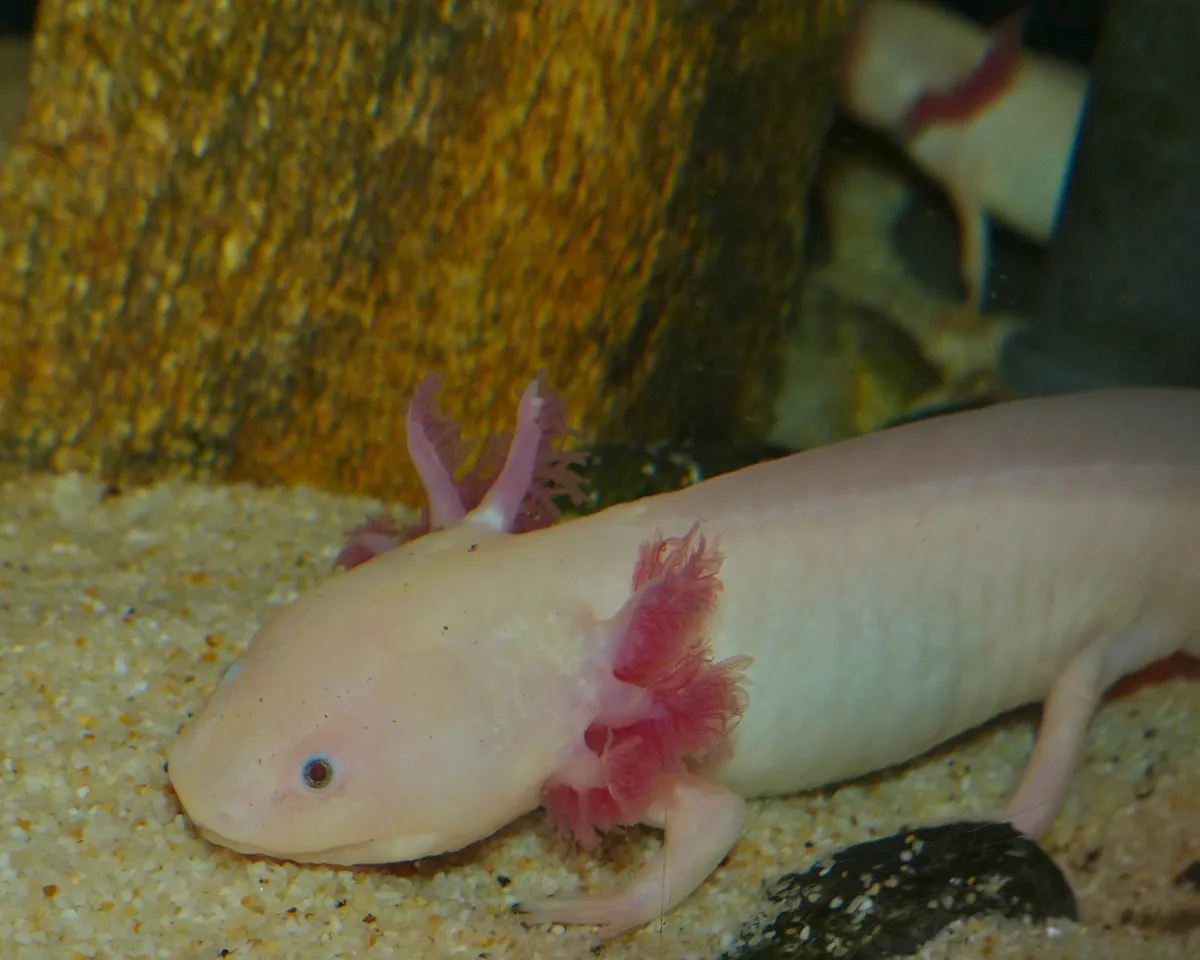
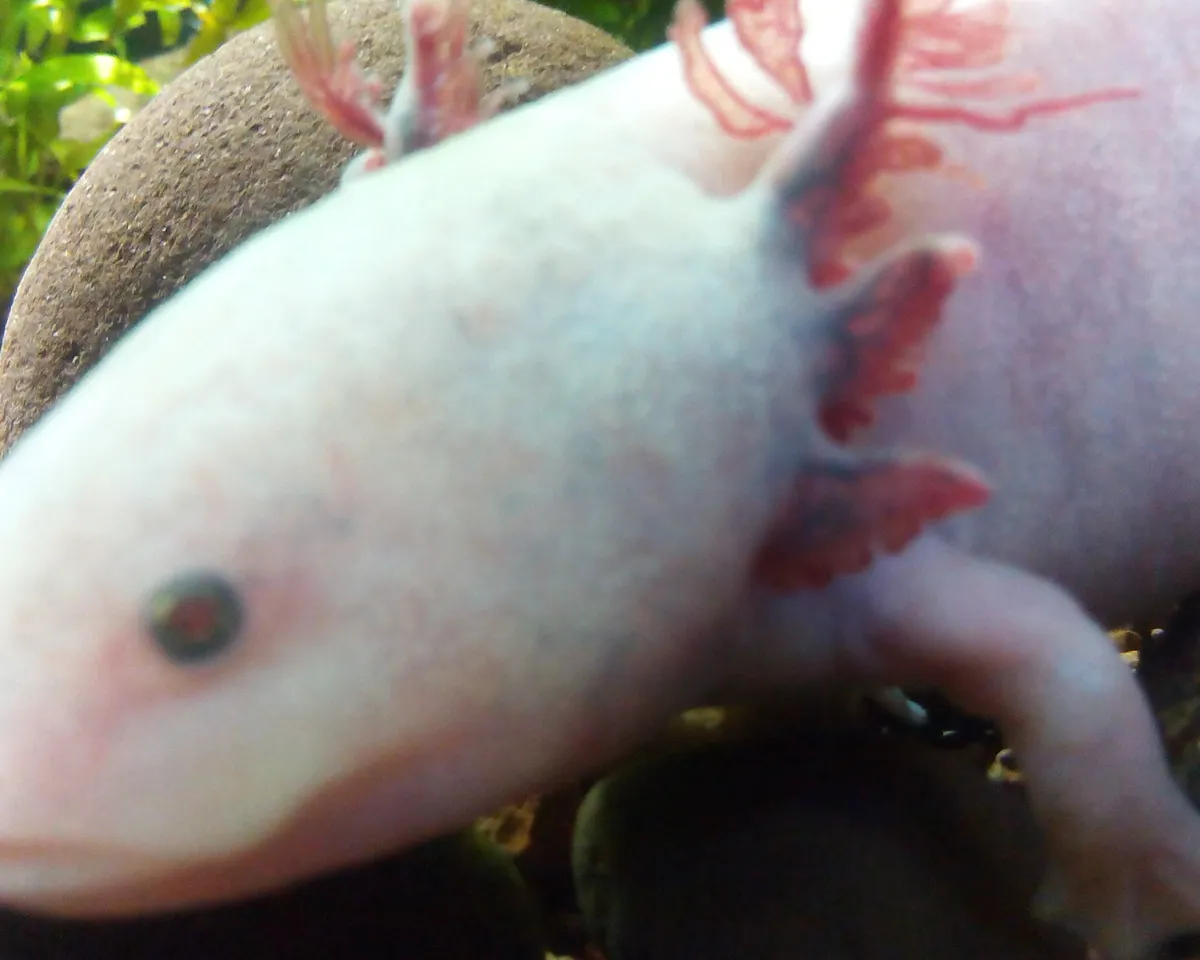
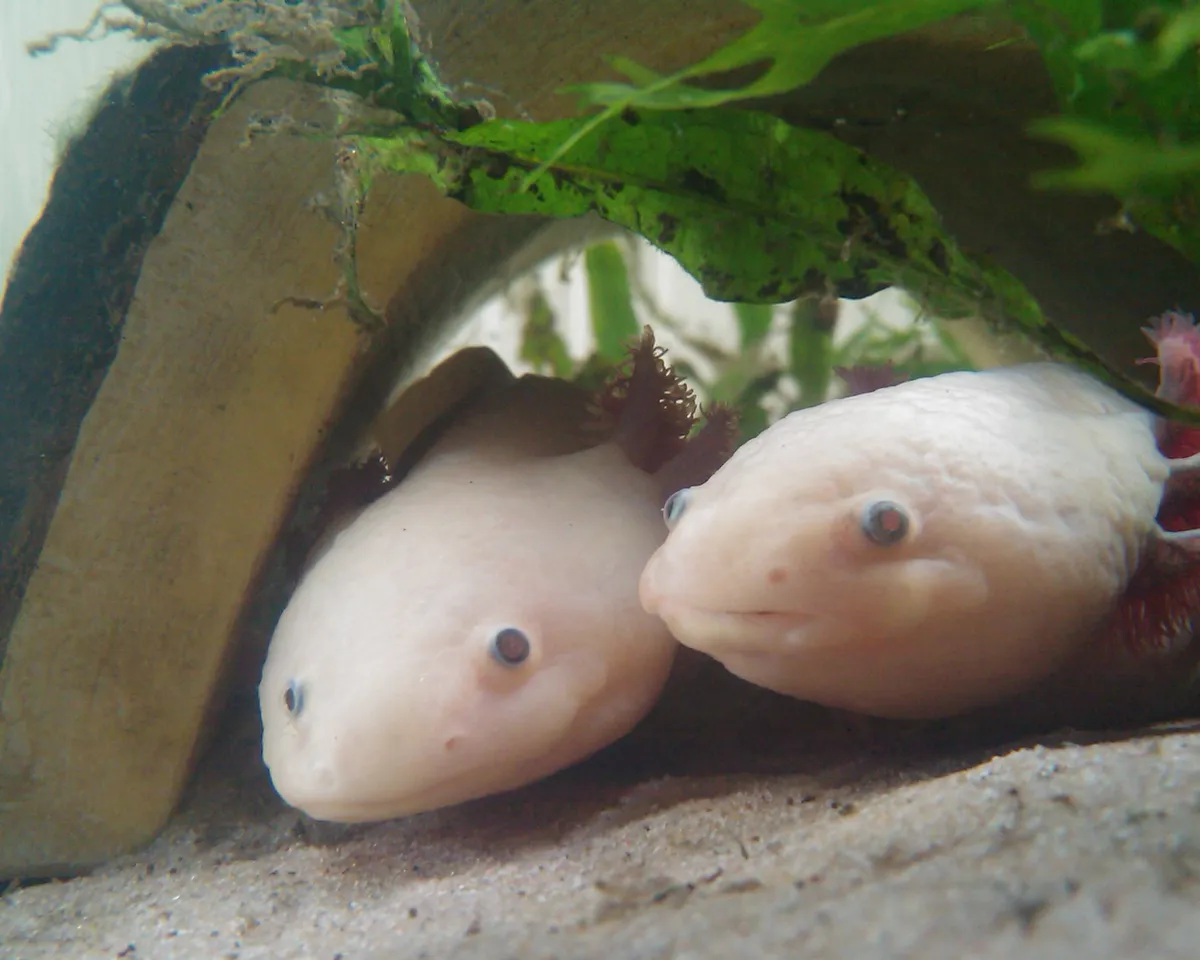
Pink (Leucistic)
The iconic axolotl. Pale pinkish-white body, black eyes, vivid pink-red gills. Most popular axolotl color by a huge margin — about 80% of pet axolotls. Their pale color shows water quality issues fast, which is actually a benefit for beginners.
White (Albino White)
Pure white body with red or pink eyes. Distinct from leucistic — the eye color tells them apart. Slightly less common than leucistic, similar price range.
Golden (Albino Golden)
Yellow-gold body with red eyes. Often has reflective iridophores giving it a slight shimmer. One of the prettier morphs in person. Mid-rarity.
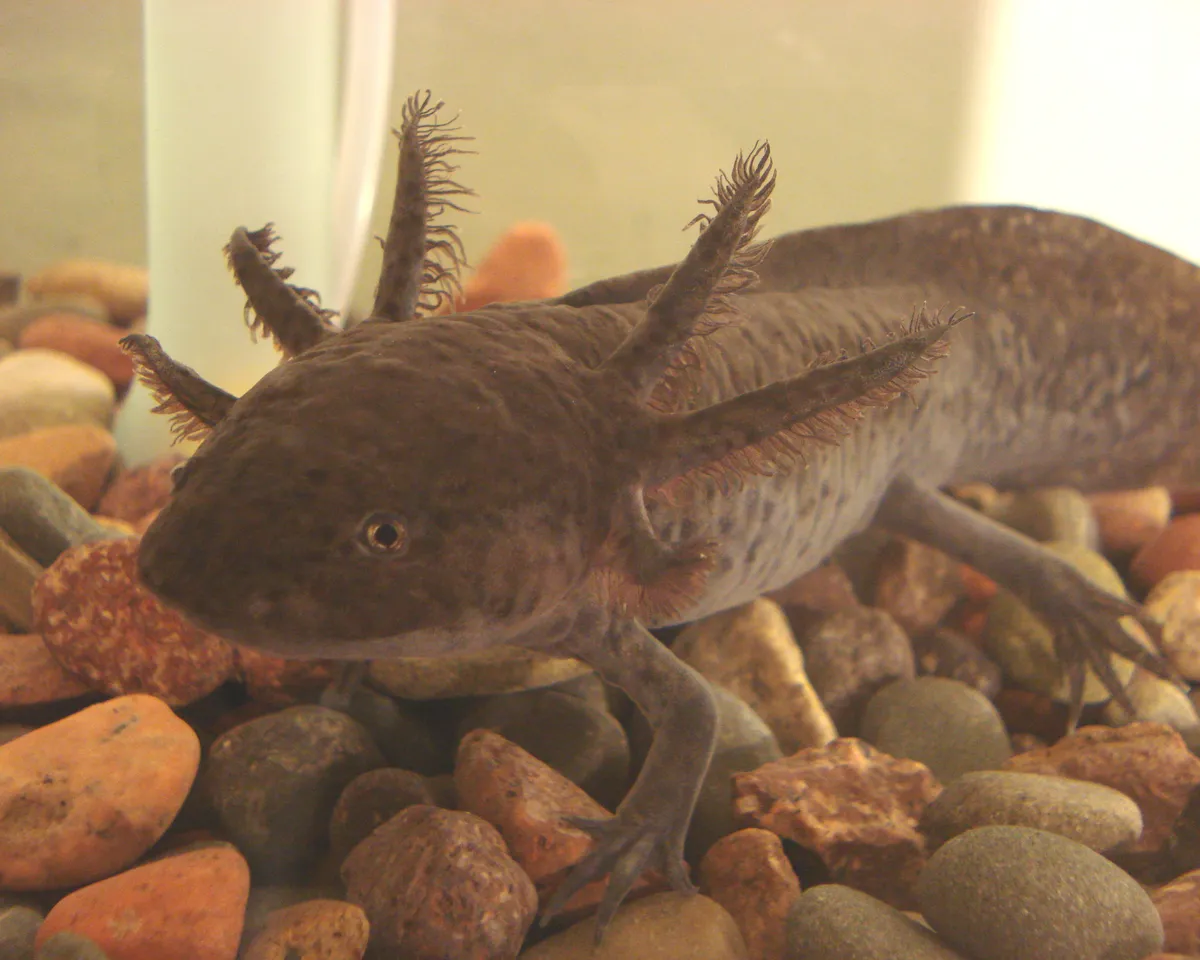
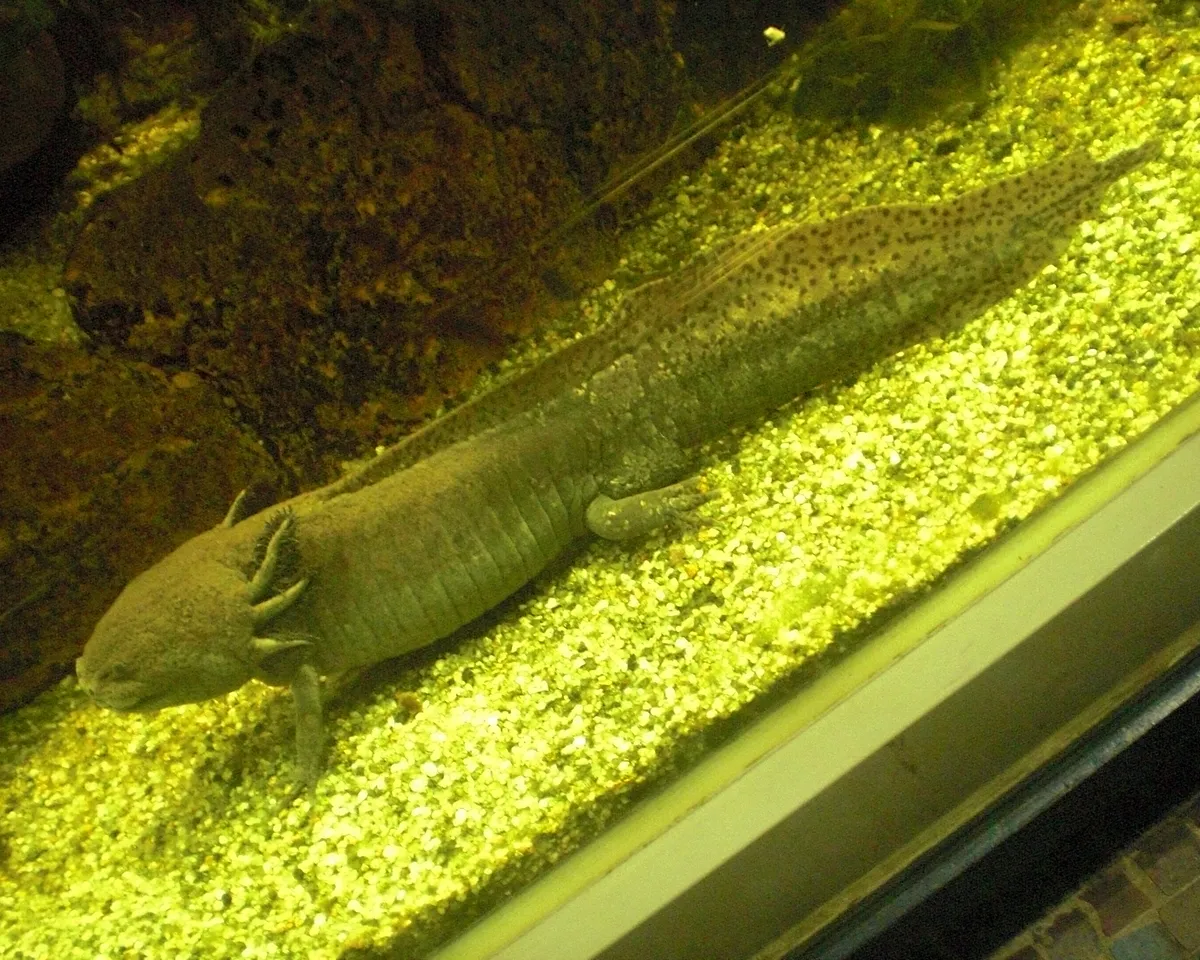
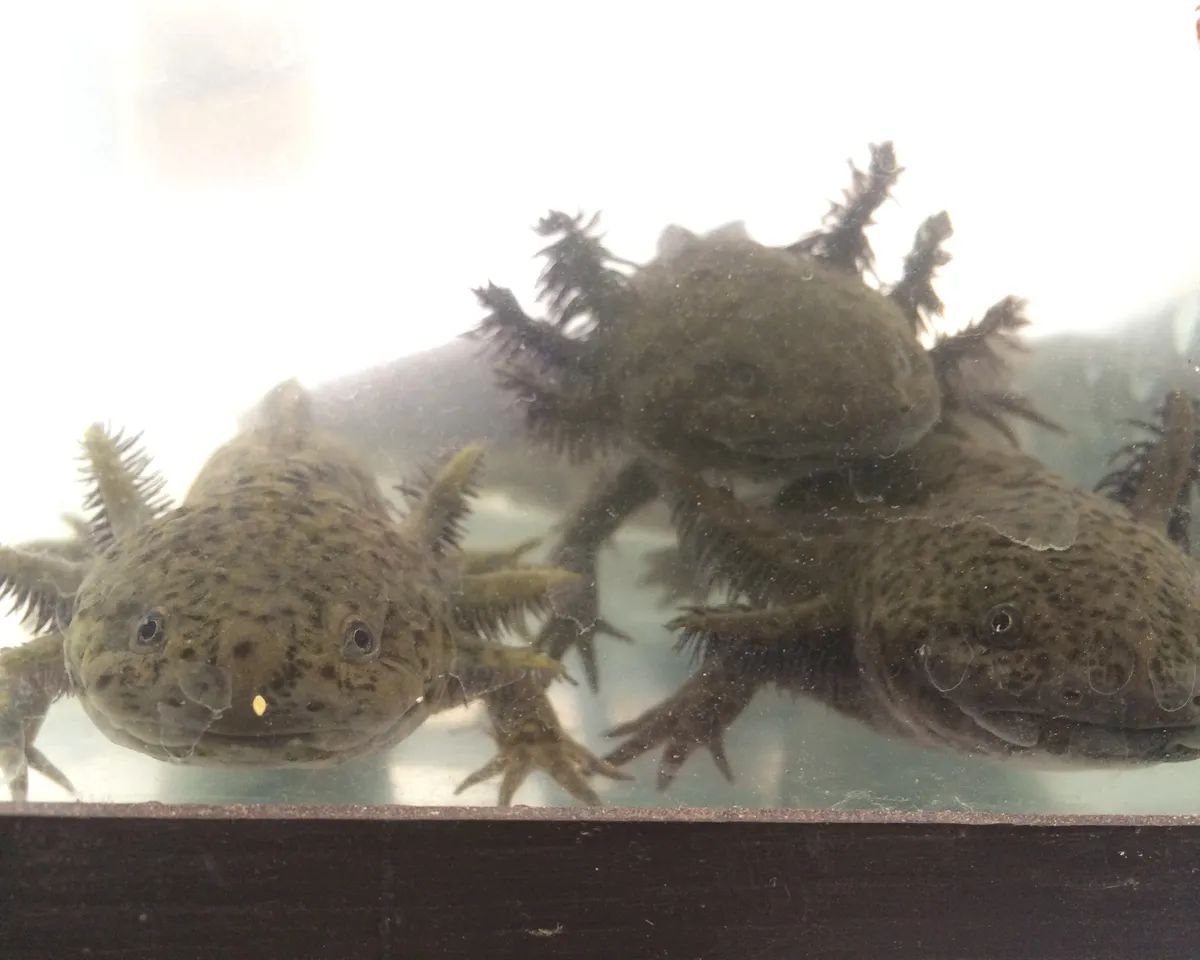
Brown / Olive (Wild Type)
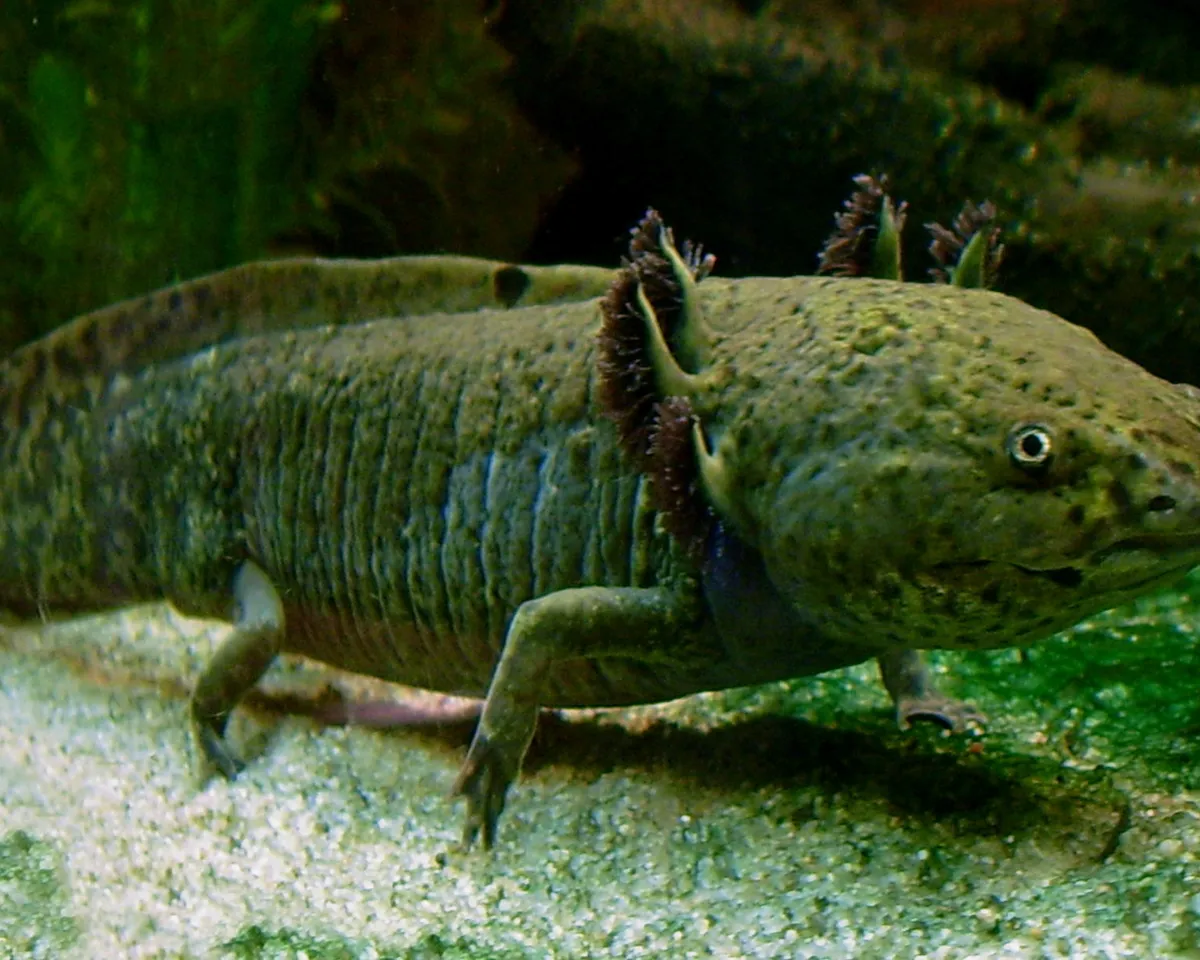
The natural color. Brown to olive body with dark speckles. This is what wild axolotls in Lake Xochimilco look like. Considered the most genetically robust morph.
Black (Melanoid)
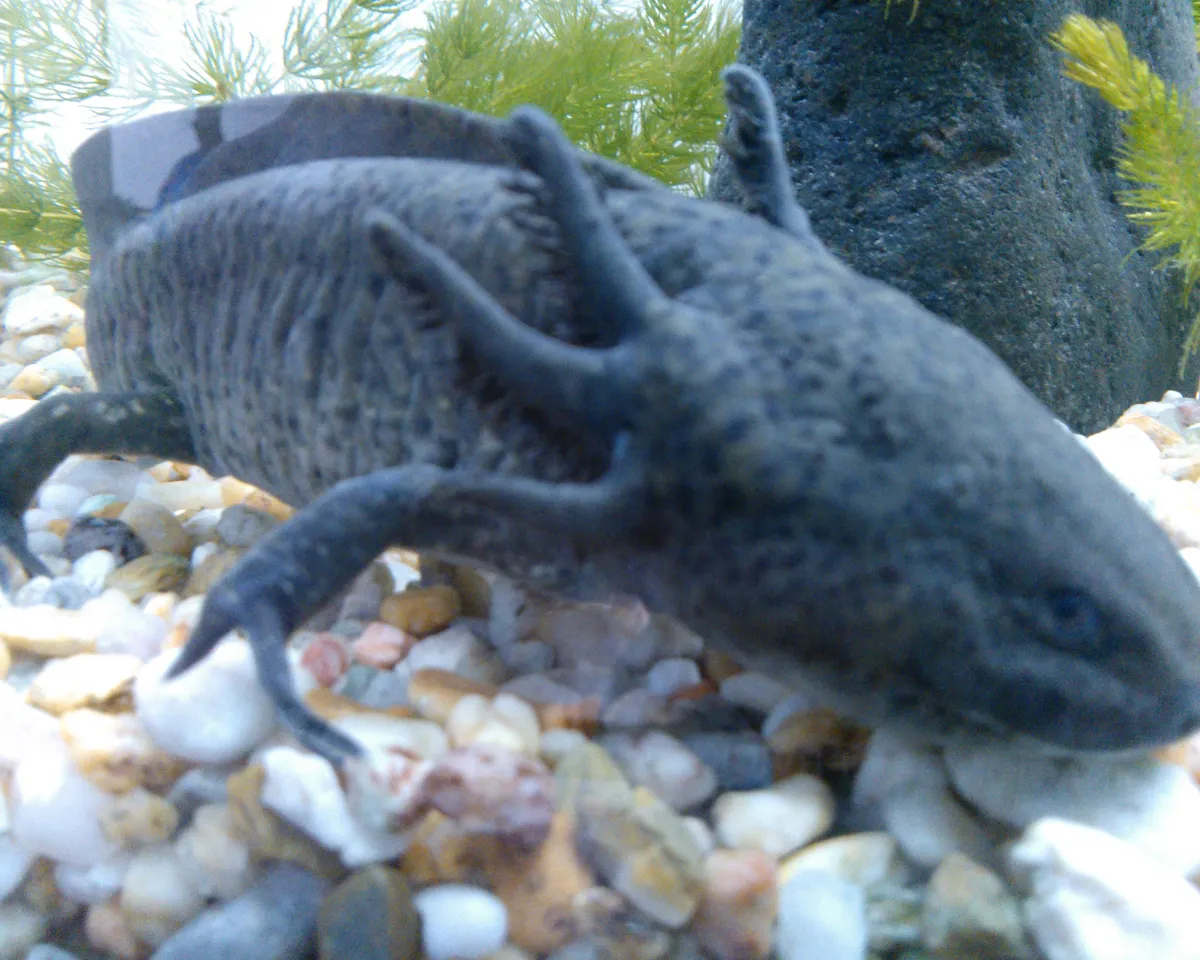
Solid black or very dark gray. No reflective shimmer, no patterning. Looks almost like a different species. Common in the pet trade.
Copper
Light brown or tan body, slightly metallic. Recessive gene that's harder to breed. Mid to upper price range.
Green Glow (GFP)
Looks like a normal morph in daylight, glows green under blacklight or UV. Carries a jellyfish gene engineered into lab strains in the early 2000s. Higher price.
Spotted (Piebald)
White body with black or dark patches, usually concentrated on the head and back. Pattern varies widely between individuals. Each piebald is unique.
Patched (Mosaic)
Two different colors mixed in patches across the body. Rare and visually striking.
Split-color (Chimera)
Two completely different colors, split right down the middle of the body. Occurs when two embryos fuse during development. Cannot be bred reliably. The rarest and most expensive morph.
How to identify your axolotl's color
Look at the eyes first. Red or pink eyes = albino. Black eyes = leucistic or other non-albino morph.
Check overall body color. White + dark eyes = leucistic. White + red eyes = albino white. Solid black = melanoid. Brown with speckles = wild type.
Look for patterns. Patches of black on white = piebald or mosaic. Split down the middle = chimera.
Test for GFP under blacklight. Carrying a UV light over the axolotl will make it glow green if it has the GFP gene.
Color and care
Despite the visual differences, every axolotl color requires the same care: a 20+ gallon long tank, cool water (60-68°F), weekly water changes, food two to three times per week. The morph affects appearance only. For full care, see the start here guide.
Frequently asked
What colors can axolotls be?
Axolotls come in 10 main color variations: pink (leucistic), white (albino white), golden (albino golden), brown (wild type), black (melanoid), copper, glowing green (GFP), spotted (piebald), patched (mosaic), and bi-colored (chimera).
What is the rarest axolotl color?
Chimera is the rarest. They have two completely different colors split down the middle of their body, caused when two embryos fuse during development. Mosaic and lavender axolotls are also very rare.
What is the most popular axolotl color?
Leucistic (pink) is the most popular axolotl color. Their pale pink body with bright pink gills is the image most people associate with axolotls. They make up around 80% of pet axolotls sold.
Can axolotls change color as they grow?
Yes, slightly. Many axolotls darken slightly as they mature. Wild type axolotls develop richer brown tones with age. Leucistic axolotls may pick up faint speckles. The basic morph never changes — a leucistic baby is a leucistic adult.
Why do axolotl gills sometimes look different colors?
Gills change color with water quality. Healthy gills are bright red or pink. Pale or stringy gills indicate water problems (warm temperature, low oxygen, ammonia).
Looking for more on a specific morph? Click any color tile above for the full breakdown including price range, genetics, and care notes. Or see the complete morph guide for the comparison table.
Newsletter
The weekly axolotl note.
One honest care note, one Amazon find, one beginner question answered. Sundays. No spam.