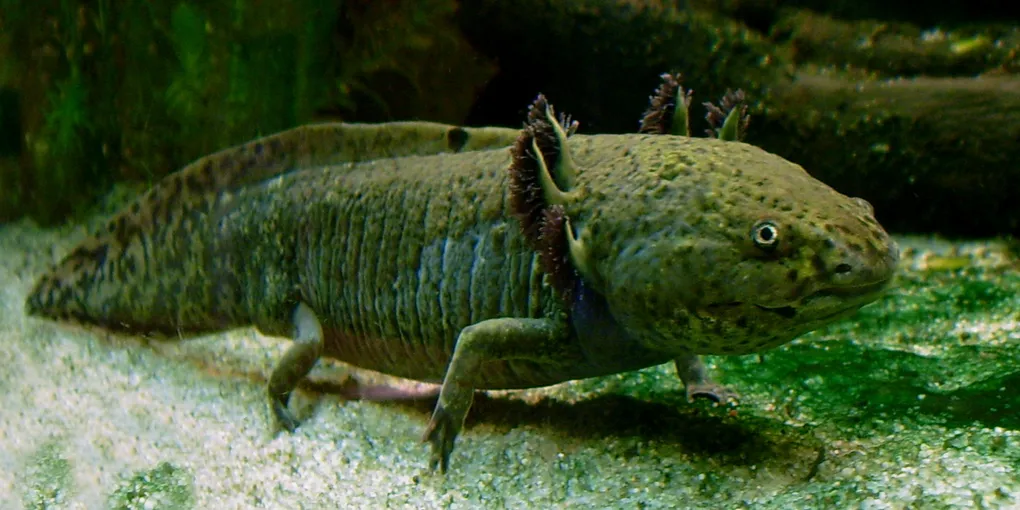
Can You Eat Axolotls? (Yes Historically, No Today, And Here's Why)
Aztec people ate axolotls for over 500 years. They're now critically endangered and illegal to harvest. Here's the full history and the legal status today.
This is one of the stranger axolotl queries that Google sees, but it comes up often: can you eat axolotls? The short answer is: historically yes, today no. The longer answer is a fascinating intersection of Aztec history, modern conservation, and food culture.
The Aztec Era: Axolotls as Food
For over 500 years before Spanish contact, the Aztec people of central Mexico ate axolotls as a regular protein source. The species’ native habitat — Lake Xochimilco and Lake Chalco — surrounded the Aztec capital city Tenochtitlán (modern Mexico City). Axolotls were abundant, easy to catch in shallow water, and nutritious.
Aztec preparation methods included:
- Grilling over open fire on wooden skewers
- Stewing with chili peppers, beans, and corn
- Wrapping in corn husks to make tamales
- Drying for storage and trade
Historical accounts describe the taste as similar to eel: mild, slightly fatty, with a tender texture. Spanish chroniclers in the 1500s recorded that axolotls were considered a delicacy among Aztec nobility, served at feasts alongside other lake species like frogs, ducks, and crayfish.
Cultural and Medicinal Use
Beyond food, axolotls held religious and medicinal significance:
Mythological importance
The Aztec god Xolotl — twin of Quetzalcoatl — was the god of fire, lightning, and the underworld. Mythology says Xolotl could transform into an axolotl to escape sacrifice, which is one possible origin of the animal’s name. The connection meant axolotls were sometimes considered spiritually significant, eaten or avoided depending on the occasion.
Medicinal use
Traditional Aztec medicine used axolotl preparations to treat:
- Respiratory conditions (mucus from axolotl skin was considered cough-suppressant)
- Skin ailments
- General weakness and fatigue
These uses persisted into colonial Mexico and in some rural Mexican communities even today, though scientific evidence for medicinal benefit is limited.
What Axolotl Tastes Like
Limited modern accounts and historical descriptions agree: axolotl meat is mild, slightly fatty, and reminiscent of eel or freshwater fish. The flesh is white-pink and breaks apart easily when cooked. Aztec cooking emphasized chilis, herbs, and corn — the axolotl meat was a base flavor rather than the dominant taste.
Note: this is historical/cultural description, not a recommendation. Eating axolotls today would be both illegal (in Mexico) and ethically problematic (everywhere) given their conservation status.
The Collapse of Wild Populations
By the late 1990s, wild axolotl populations in Lake Xochimilco had collapsed catastrophically:
- 1998: 6,000 axolotls per square kilometer
- 2008: 100 per km²
- 2014: 35 per km²
- 2024: Under 10 in most surveyed areas
Causes: water pollution, introduced predator fish (tilapia and carp), habitat loss as Mexico City expanded. Climate change and disease accelerated the decline. The wild population dropped 99% in 25 years.
For the full conservation story, see are axolotls endangered.
Legal Status Today
In Mexico
Wild axolotl harvest is illegal under Mexican conservation laws. The species is classified as critically endangered. Penalties for poaching or selling wild axolotls range from fines to imprisonment depending on circumstances.
Internationally
Most countries don’t have specific axolotl food laws because the question doesn’t come up. Captive-bred axolotls aren’t sold as food anywhere. Pet axolotls aren’t processed for consumption. The few “axolotl restaurants” that occasionally appear in news cycles are either using captive-bred animals (legally murky but technically possible in some jurisdictions) or are hoaxes.
Captive vs. wild distinction
Even if a captive-bred axolotl is technically legal to consume in your jurisdiction, the cultural, ethical, and practical reasons against doing so are strong:
- Cost — captive axolotls cost $30-$300, which makes them an absurdly expensive protein source
- Ethics — captive axolotls are pets and lab research subjects, not food animals
- Welfare — humane slaughter protocols for axolotls don’t exist outside research contexts
- Cultural respect — for axolotl-keeping communities, the idea is offensive
What About Axolotl Cooked or in Recipes?
You’ll occasionally see search queries like “axolotl cooked” or “axolotl recipe” — usually driven by curiosity about Aztec cuisine rather than serious culinary intent. Historical recipes survive in some Mexican anthropological records, mostly involving:
- Tamales con ajolote (axolotl tamales) — wrapped in corn husks with chilis
- Caldo de ajolote (axolotl soup) — clear broth with corn and herbs
- Ajolote asado (grilled axolotl) — basic skewer over fire
These recipes are historical record, not modern cooking. Mexican restaurants serving axolotl are essentially extinct outside of one or two specialty “ancestral cuisine” places, which use specially permitted captive axolotls and charge premium prices.
The Aztec Origin of the Name
The word “axolotl” comes from Nahuatl (the Aztec language):
- Atl = water
- Xolotl = the god Xolotl (or, “monster” in some translations)
So “axolotl” roughly translates as “water monster” or “water dog of Xolotl.” The name reflects both the animal’s aquatic nature and the religious significance the Aztecs attached to it.
This origin is one reason axolotls are sometimes still called “Mexican walking fish” or “water dogs” in older English texts. The name wasn’t a culinary description — Aztecs ate them but didn’t define them by edibility. They were defined as creatures of Xolotl’s domain.
Why People Search “Can You Eat Axolotls”
A few reasons:
- Curiosity about Aztec history — most common driver
- Confusion — some assume axolotls are fish (they’re not — they’re amphibians, see are axolotls fish)
- Pop culture — anime and video games sometimes reference axolotl eating
- Conservation interest — wondering whether axolotls are still hunted
If you arrived here from one of those questions, hopefully this answers it. Axolotls are no longer food and shouldn’t be. But the historical context is part of what makes them culturally significant.
What Axolotls Eat (Reverse Question)
If you’re curious about the opposite direction — what axolotls themselves eat — see the food safety database which covers the 15 most common foods axolotls do (and don’t) eat. Spoiler: they’re obligate carnivores, no plants, no fish, mostly worms and pellets.
The Bottom Line
Axolotls were a regular Aztec food source for centuries. They’re now critically endangered and protected from harvest. The combination of conservation status, cultural sensitivity, and lack of any captive food-axolotl industry means the answer to “can you eat axolotls” today is functionally no.
The historical record is genuinely interesting — Aztec cuisine and axolotl mythology are deeply intertwined. But the modern answer is: leave them alone, support conservation (see are axolotls endangered), and if you want one in your life, get a captive pet axolotl and watch it live 15 years in a tank.
For axolotl care, the start here guide covers everything. For the conservation context, the endangered article goes deep on the wild population collapse.
Newsletter
The weekly axolotl note.
One honest care note, one Amazon find, one beginner question answered. Sundays. No spam.
Disclosure: The Axolotl Guide is a participant in the Amazon Services LLC Associates Program, an affiliate advertising program designed to provide a means for sites to earn advertising fees by advertising and linking to Amazon.com. As an Amazon Associate we earn from qualifying purchases, at no extra cost to you.
More Buying & Breeders Guides
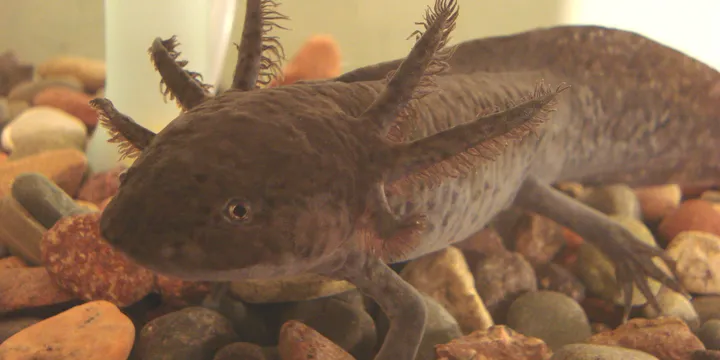
Are Axolotls Endangered? (Why the Wild Population Is Nearly Gone)
Yes — axolotls are critically endangered in the wild, with fewer than 1,000 left in Lake Xochimilco. The pet population is millions strong. Here's the full conservation story.
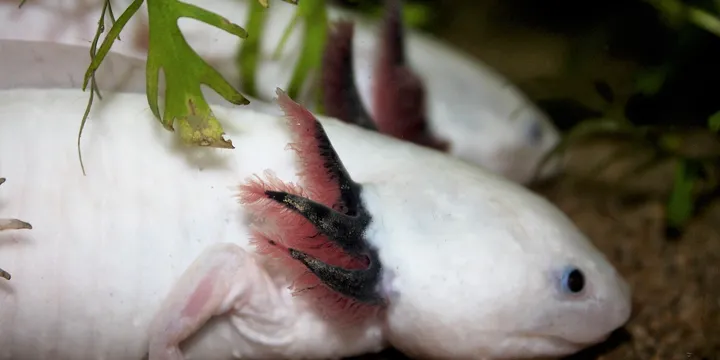
Axolotl Price: How Much Does an Axolotl Actually Cost?
The axolotl itself is $30-$100. The setup costs $250-$400. Annual upkeep is $150-$250. Here's the complete cost breakdown nobody tells you upfront.
Where to Buy an Axolotl (Ranked Best to Worst)
Best places to buy an axolotl in 2026, ranked. Reddit and Facebook breeders win on price and quality. Big-box pet stores lose. Here's the full ranking with red flags to spot.